 By Iris
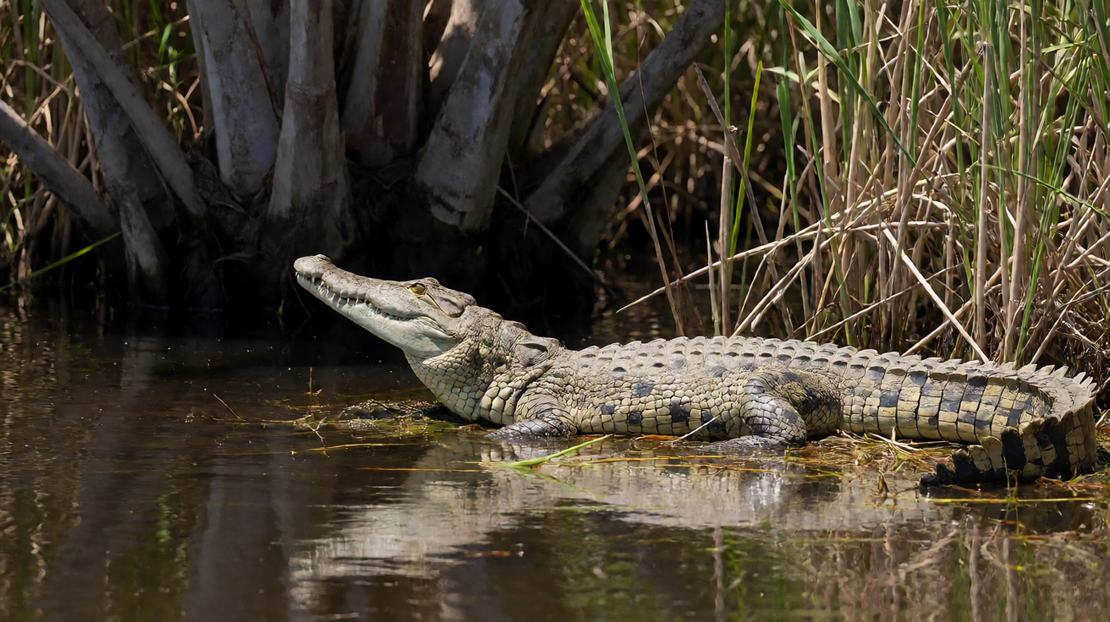
Crocodylus rhombifer | Cuban Crocodile
Species Profile · Crocodylidae
Cuban Crocodile
A small crocodile that can gallop, found in two Cuban swamps.
Critically Endangered
Length
Weight
Teeth
Range
Wild numbers
Rating
Two swamps, one island
A crocodile that runs
Heavy scales and a broad head mark this small crocodile. Adults reach 2.3 m, and a large male may pass 3 m. Weight runs from 70 to 200 kg. Fish, turtles and small mammals fill the diet, although the mix shifts with the season.
Fresh water, not salt, suits this species best. Legs carry strong muscles, and the animal can gallop on dry ground. Fish, turtles and small mammals fill the diet. Nests sit as mounds of soil and plants.
Few crocodiles live in such a small space, and few face a stranger mix of threats than this one does. Poaching, hybrids and shrinking marsh press on all sides, yet the species holds on.
Family tree
Crocodylidae, the true crocodiles
Crocodylus rhombifer sits in Crocodylidae, the family of true crocodiles. Cuvier named the species in 1807 from Cuban material. The American Alligator lives in southern swamps, while this animal stays on one island. Both build mound nests, and both guard the clutch through the first weeks.
Their snouts differ, since one ends blunt and the other tapers to a point. The Cuban form counts among the smaller living crocodiles. A fossil record links it to older island species, although the trail is thin. Hybrids with the American crocodile turn up where the two overlap.
Genetic tests now separate wild stock from hybrid stock. Careful sampling shows pure animals in Zapata, so the swamp still holds a true breeding core of the species.
One island, one crocodile
How to tell one
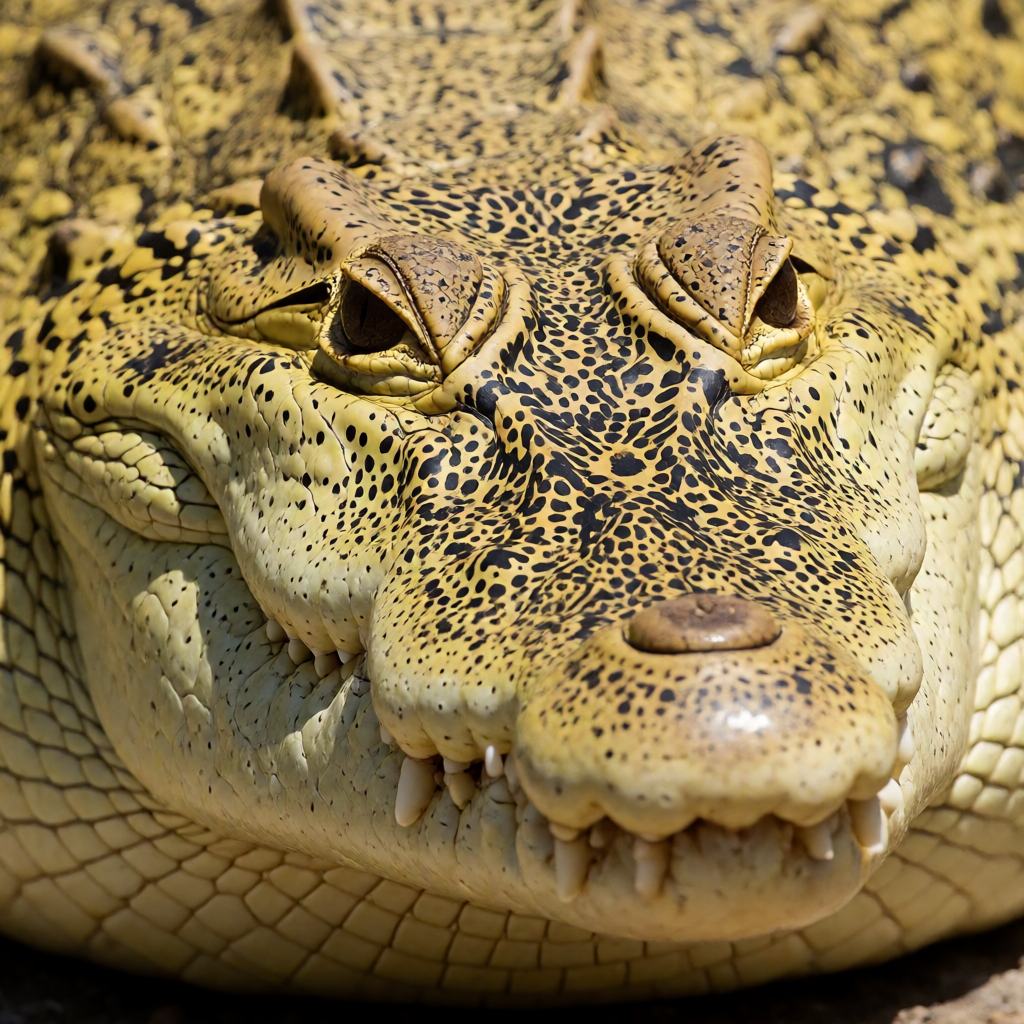
Length reaches 2.3 m in most adults. Skin looks dark olive, with pale patches on the flanks. Young animals carry brighter markings and dark bands. Bony ridges run behind each eye.
Teeth number 60 to 70, and the front pair jut forward. Legs look long for a crocodile, and the animal walks with the belly clear of the ground, so it can gallop. That build allows a short run, although the burst lasts only a few metres. Broad tail muscles drive the animal through shallow water.
Eyes and nostrils sit high, so the body can hide below the surface. A heavy skull and strong jaw handle hard shelled prey, which few crocodiles can crack.
1
2
3
Long legs and a heavy jaw
Where it lives
Sawgrass marsh and open water fill most of it, since the ground stays low and wet. Sawgrass marsh and open water fill most of it. A second group lives in Lanier Swamp on the Isle of Youth. Both sites hold fresh water, and both flood in the wet season.
Dry months shrink the pools, so the animals crowd into what remains. Peat soils burn in a dry year, and fire then spreads under the surface. Salt water limits the species, since hatchlings cannot handle it. Mangrove edges mark the places where the marsh meets the sea.
Hurricanes can push salt water far inland. One storm may kill many young at once, and recovery from such a loss then takes a decade or more.
Fresh water in two swamps
What it eats
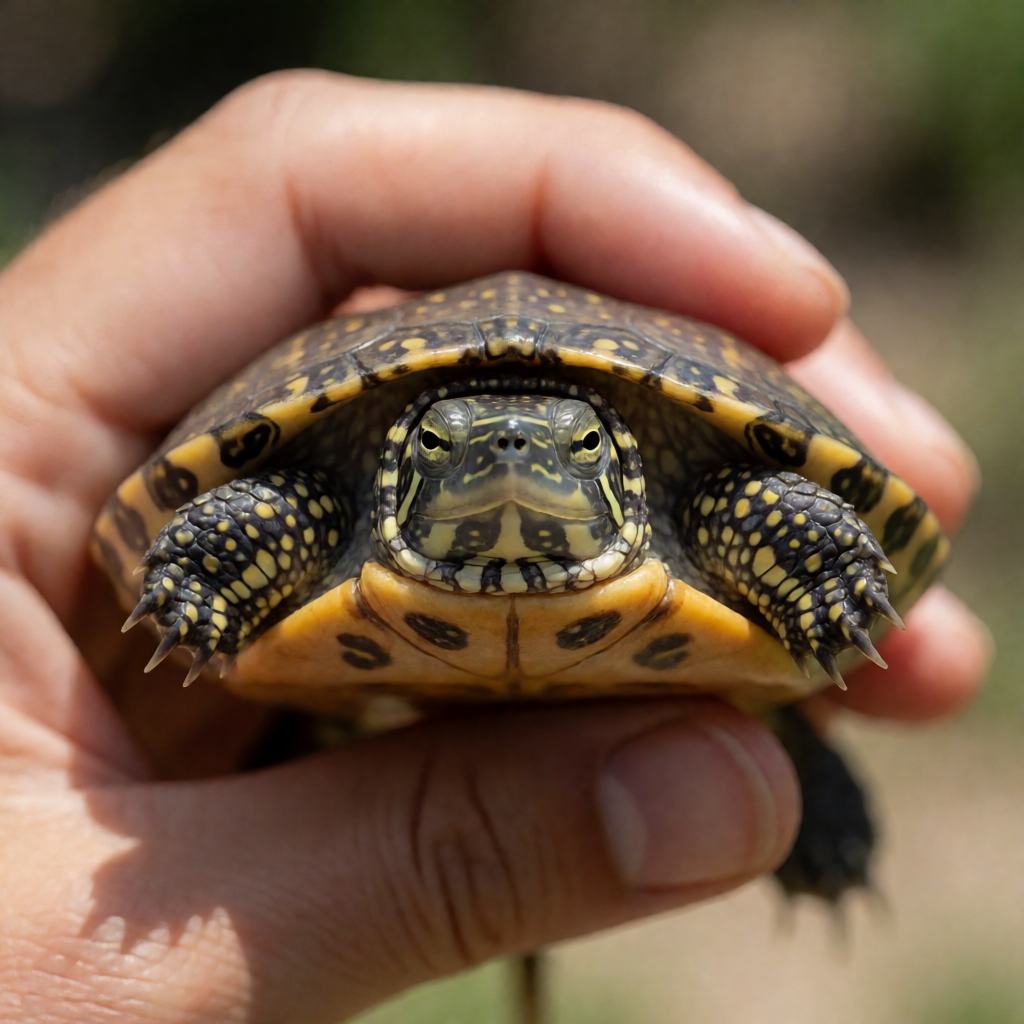
Fish form the base of the diet. Turtles add a heavy meal, and the jaw can crush a shell. Crabs and snails fill the gaps, yet the animal prefers fish when it can catch them. Crabs and snails fill the gaps.
Hunting happens at night and in the first light. Waiting comes easy, with the body sunk and only the head showing. A strike comes fast, although the animal then holds the prey under water. Groups may feed together where fish gather in a shrinking pool.
Cannibalism occurs, and large adults take smaller ones. Captive animals learn a feeding routine quickly, since keepers arrive at the same hour each day and tap the water first.
Turtles and fish
The breeding cycle
Courtship starts in the dry season. A male bellows and slaps the water with his head. Females build a mound of soil, grass and roots. Clutches hold 30 to 40 eggs.
The nest sits in shade, and rotting plants warm the eggs. Incubation runs 60 to 70 days. The female guards the mound, although she leaves to feed. Hatchlings call from inside the nest, and the mother then digs them out.
She carries young to water in her jaws. She carries young to water in her jaws, since a hatchling cannot cross dry ground alone.
Critically Endangered, and hybridised
Conservation
IUCN lists the species as Critically Endangered. Wild numbers may sit under 4,000 animals. Hunting for meat and skin removed many adults, although the law now bans it. Hybrids with the American crocodile dilute the pure stock.
Swamp drainage and peat fires cut the habitat. Invasive fish compete with young crocodiles for food. One breeding farm raises animals for release. Guards patrol the Zapata channels, and nests are counted each year.
Guards patrol the Zapata channels, and nests are counted each year, yet the marsh keeps shrinking. Habitat protection matters more than any head count, since a released animal needs a whole marsh to enter and to breed in.
Side by side
How It Compares
| Trait | Cuban Crocodile | American Alligator |
|---|---|---|
| Length | 2.3 m, and a large male may pass 3 m | 3 to 4.5 m, and the largest males pass 4 m |
| Weight | 70 to 200 kg | 200 to 450 kg, and heavier before winter |
| Home | fresh water in two Cuban swamps | swamps and rivers in the south east of North America |
| Snout | narrow and tapered, with a bony ridge | broad and rounded, and built for crushing |
| Food | fish, turtles and small mammals | fish, turtles, birds and mammals |
| Nest | a mound of soil and plants | a mound of plants and mud at the water edge |
Common misreadings
What People Get Wrong
- Many people believe the crocodile is a mangrove animal, yet it needs fresh water.
- Some guides call it a dwarf alligator, although its teeth and snout mark a crocodile.
- A common claim says the species is safe in Cuba, yet fewer than four thousand remain.
Going further
Sources and Further Reading
Quick hits
Five things to remember
- Legs allow a short gallop on dry ground.
- Two swamps hold every wild animal.
- A clutch holds 30 to 40 eggs.
- The mother carries hatchlings to water.
- Hybrids with another crocodile threaten the pure stock.