 By st20113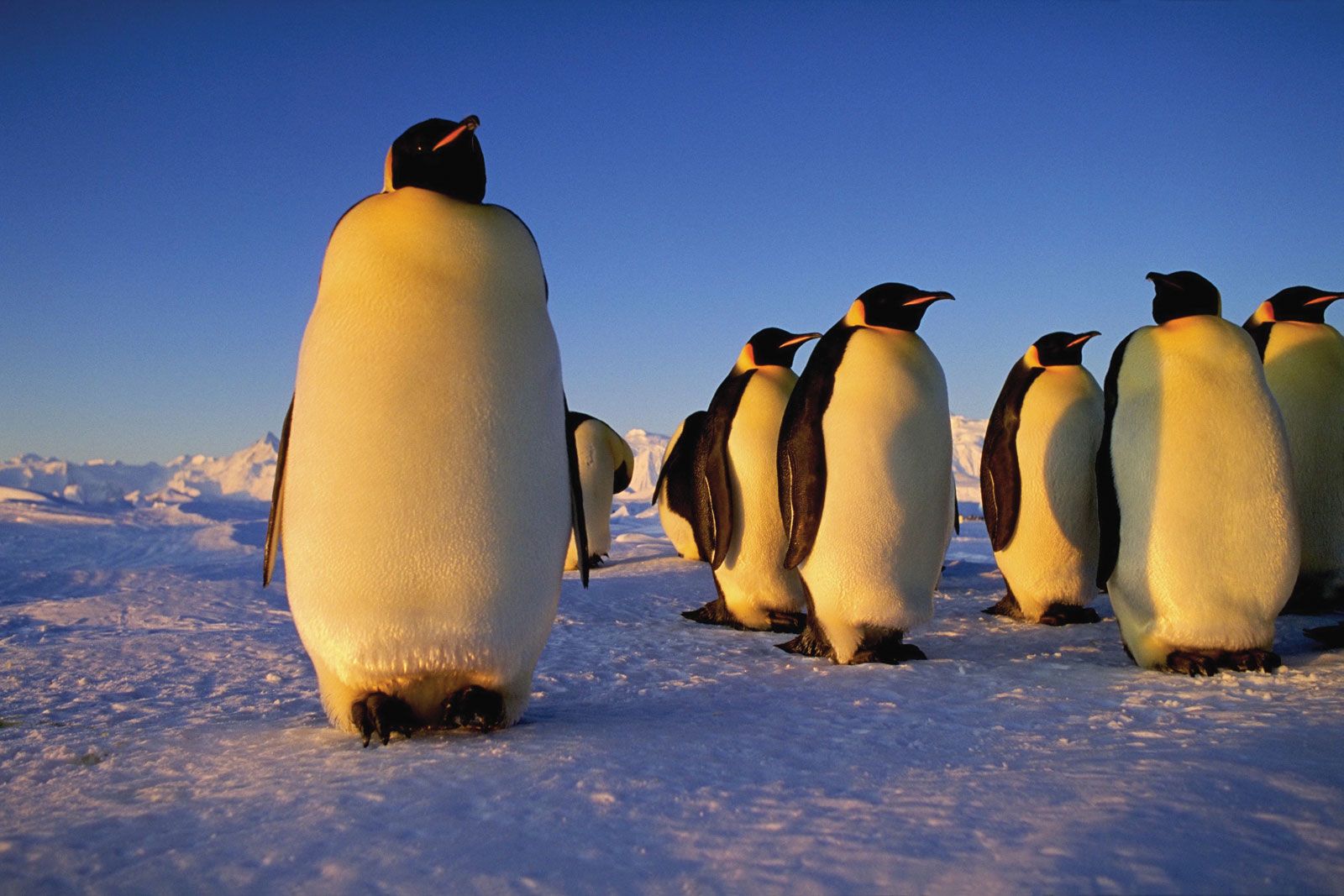
Penguins are a group of flightless seabirds belonging to the family Spheniscidae, almost exclusively found in the Southern Hemisphere. Ranging from the Galápagos Islands on the equator to the frozen shores of Antarctica, penguins have evolved streamlined bodies, flipper-like wings, and dense waterproof feathers for an aquatic lifestyle. They are a keystone presence in the polar and subpolar marine ecosystem.
Physical Characteristics
Penguins are instantly recognizable by their upright posture, black-and-white coloration (countershading for camouflage while swimming), and wings modified into flippers. Their feathers overlap like roof tiles, providing both waterproofing and insulation. A thick layer of blubber beneath the skin provides additional insulation in freezing waters. The largest species, the emperor penguin, stands over 1 meter tall and weighs up to 40 kilograms.
Adaptations for Swimming
Penguins are powerful swimmers, with some species reaching speeds of 10 to 15 km/h underwater. Their flipper bones are fused, creating stiff, paddle-like wings. Their bones are dense rather than hollow (unlike flying birds), reducing buoyancy. They can hold their breath for up to 20 minutes and dive to depths exceeding 500 meters.
Social Behavior
Most penguin species nest in large colonies ranging from hundreds to hundreds of thousands of birds. These colonies offer protection from predators and communal warmth. Penguins communicate through complex vocalizations—each individual has a unique call that its mate and chick can identify among thousands of others.
Breeding and Parental Care
Emperor penguins are famous for their extreme breeding cycle: males incubate the single egg on their feet under a brood pouch, huddling together for warmth through the Antarctic winter while females travel to the sea to feed. They may fast for up to four months. Other species build nests of stones and take turns incubating eggs.
Conservation Status
Of the 18 penguin species, 5 are Endangered and several more are Vulnerable. Climate change that reduces sea ice and disrupts prey fish populations is the greatest threat. Overfishing, oil spills, and introduced predators on nesting islands add further pressure.
[…] surface. They often share their breeding grounds with other seabirds and marine mammals, and penguins of the Southern Hemisphere fill a similar ecological role on the opposite side of the […]