 By Iris
Timbuktu | The City of Scholars
Historical Profile · The Niger bend
Timbuktu | The City of Scholars
A camp of desert caravans that became a city of earth mosques, gold, salt and books, and a centre of learning for the whole of West Africa.
c. AD 1100-1600
Founded
Its wealth
Mansa Musa
Sankore
Taken
The big picture
Introduction
Timbuktu is a city on the southern edge of the Sahara. It stands near the great bend of the river Niger. It was founded in about AD 1100 as a camp for the caravans that crossed the desert. Within two centuries it had become the greatest centre of trade and of learning in West Africa.
Merchants dealt in salt from the north and gold from the south. Schools drew scholars from across the Muslim world. Yet two great states of the Niger held the city in turn. Wealth, however, rested on the trade of the desert.
Salt and gold met in its markets. For two centuries no town in West Africa was richer or more learned. Word of the town travelled with the caravans.
Setting
Historical Context
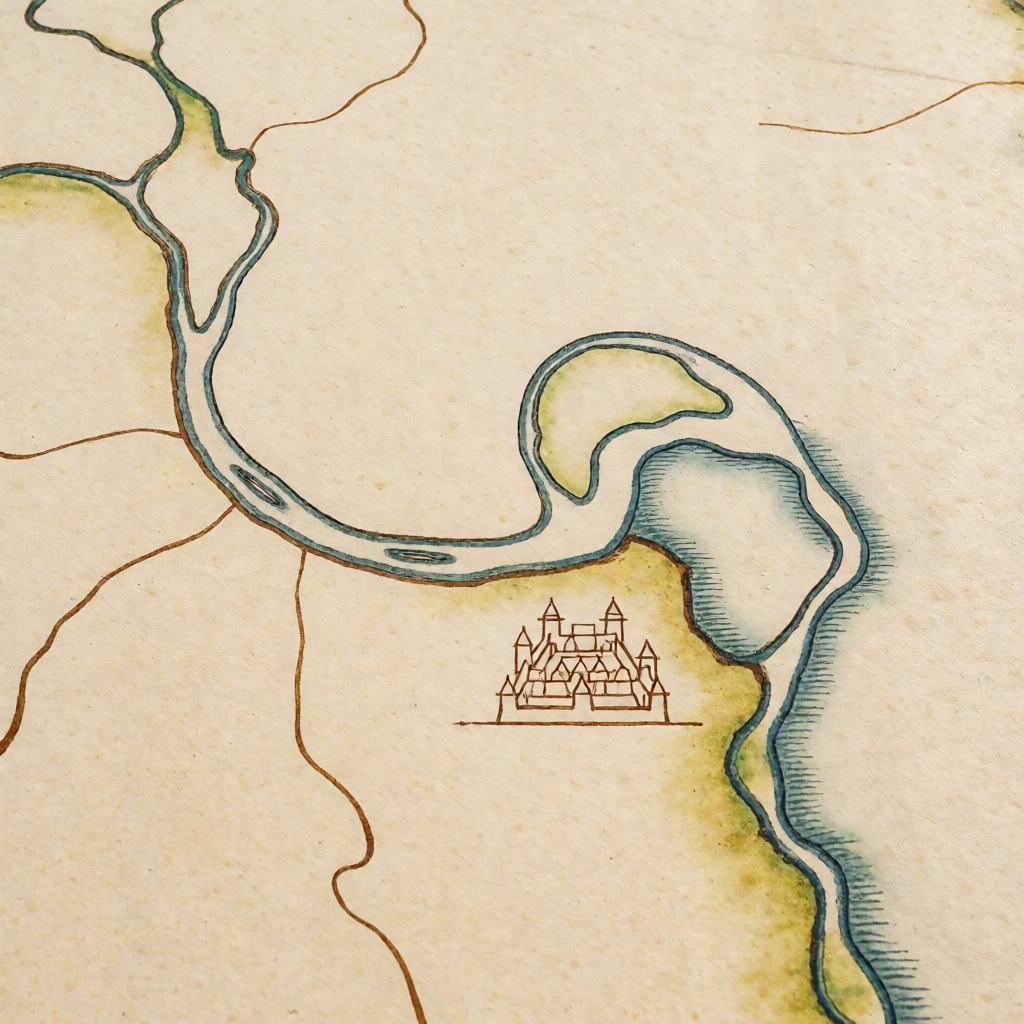
A dry belt of land runs along the southern edge of the Sahara. It has enough rain for farming and for keeping stock, and it lies on the shortest road across the desert. Caravans crossed the sand from the salt mines of the north. Their goal was the wet lands of the south. Thus every load had to pass through the middle. The Trans-Saharan Trade had gone on for more than a thousand years. Goods of the trade were few but precious. Salt came from the desert, and gold from the rivers of the south.
Cloth, metal and leather came from the towns. Salt, indeed, was the greater of the two. In the south it was worth its weight in gold. Caravans that carried it were the base of the wealth of the whole region. Timbuktu began as a camp. It stood where the desert road met the river. There the caravans could rest before the long dry crossing. In time, however, a town grew up around the camp.
Traders of the region settled there. Position gave the town two lives. To the north lay the desert and the road to the Mediterranean. To the south lay the river and the rich lands of the Niger. Timbuktu sat between them. It took a share of everything that passed.
Turning points
Key Events
City life rose in the 1100s. It began as a camp, and by the 1200s it was a market of some size. People of the town were traders. Their town was a meeting place for the caravans of the desert and the boats of the river. Great years came under the Mali state. In turn The Mali Empire took the city in the 1300s. Mali rulers gave it money and land. Mansa Musa, the most famous of them, made the pilgrimage to Mecca in 1324.
He gave away so much gold along the way. Prices of the metal fell in the markets of the north. He returned, moreover, with scholars and with books. Schools of Timbuktu were founded in those years. The city grew through the 1400s. Mosques and schools drew teachers and students from across the Muslim world. Markets were filled with the goods of the whole of West Africa. Scholars wrote books on law, on medicine, on history and on the stars.
Books were copied by hand, however, and sold in the market. Yet the end came in the 1500s. In 1591 an army from Morocco crossed the desert and beat the army of the Songhai state at Tondibi. Thus invaders took Timbuktu and Gao. Trade of the desert was broken. The city went into a long decline, and the roads that had made it rich were turned to other uses.
1
2
3
Who held power
People and Powers
Merchants, however, ruled the city. Headmen of the trading families set the rules of the market. A council of leading men ran the town. When a greater power held the region, the town paid tribute and kept its own affairs. Local rulers were left to collect the tax and keep the peace. Scholars, in effect, were the second power.
Mosques of the city held schools, and teachers were paid by the state and by the gifts of the wealthy. Sankore mosque was the greatest of them, a centre of learning for the whole of West Africa. Teachers of the mosque were known from the Niger to the Mediterranean. Trade, moreover, was in the hands of families. Some houses dealt in salt, others in gold, and others in cloth and in books. Merchants of the city kept their own agents in the towns of the desert and on the coast.
Their business reached across the whole of the region. Farmers of the region, indeed, stood below the town. They worked the land beside the river and paid a share of what they grew. Their labour fed the city and the caravans.
Everyday world
Daily Life and Society
Most people, in fact, lived in houses of mud brick with flat roofs. Streets of the town were narrow and shadowed. Water came from wells. Wells were the centre of the life of each quarter. Heat of the day was spent indoors.
Market and streets, however, were busy in the morning and the evening. A busy market lay at the heart of the town, where salt, gold, cloth, leather and books were sold and the traders of the desert came in with their caravans. Officers of the town watched the market. Each trade, moreover, had its own place and its own rules. Thus schools gave the town its name.
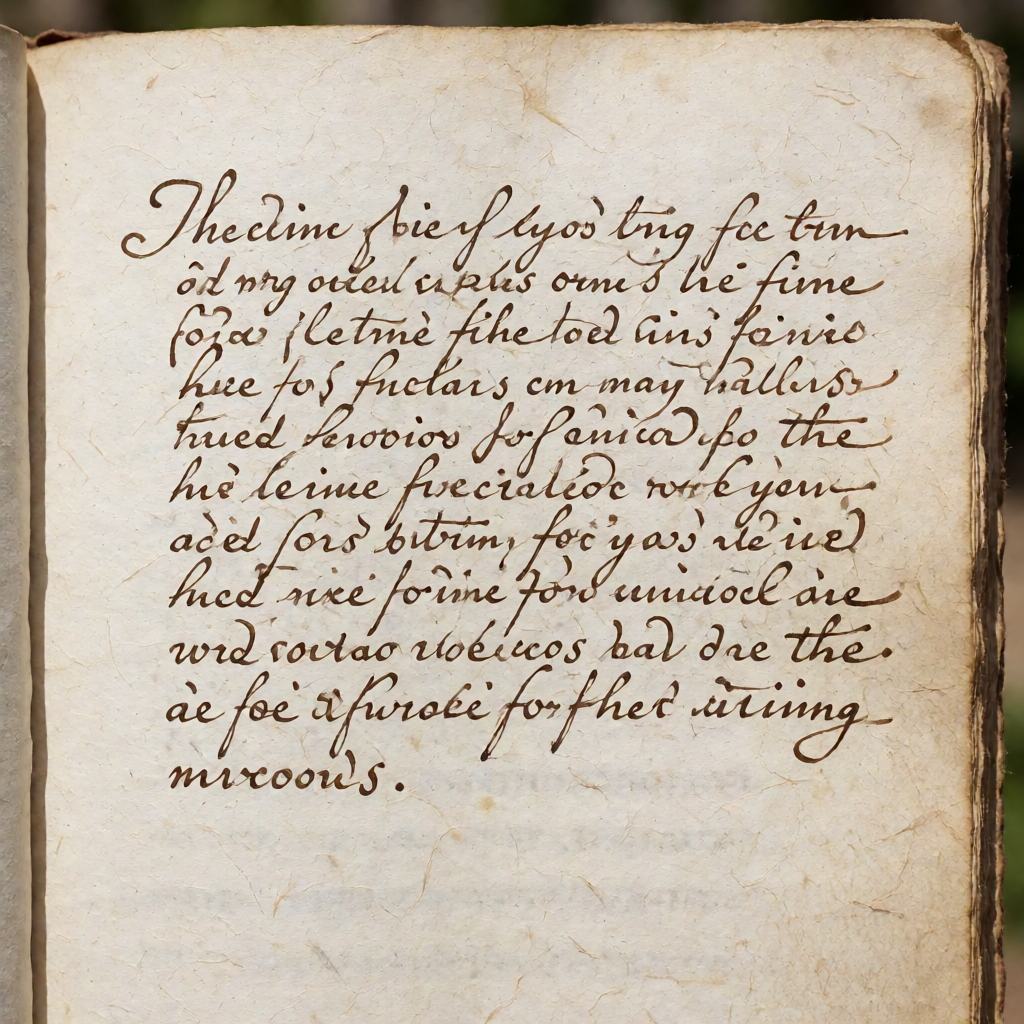
Boys learned the letters and the texts of the faith, and a few went on to study law and medicine. Copies were made by hand and sold in the market, and families of the town held libraries of their own. Books that have survived are among the greatest treasures of African history.
Craft and ideas
Trade, Technology and Ideas
Trade, in short, was the whole reason for the city. Caravans that crossed the desert brought salt from the mines of the north. They took gold to the markets of the Mediterranean. Boats of the river brought the goods of the south, indeed. Thus the town took a share of every load.
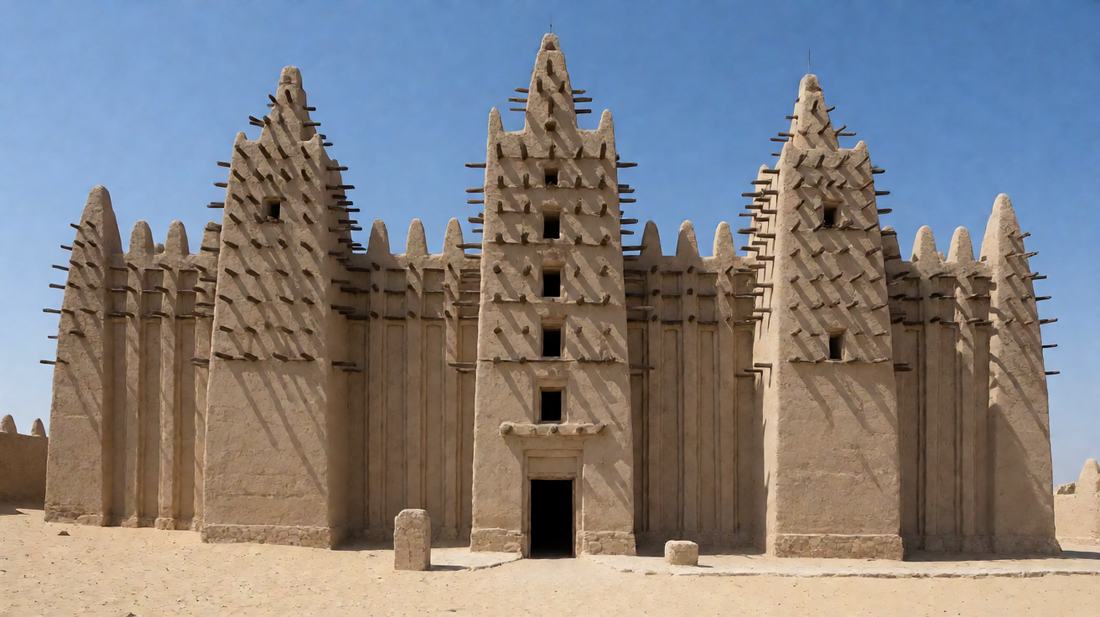
Building, however, was done in mud brick. Mosques and houses were built of the earth itself, with wooden beams to hold the walls. They were repaired after every rain. Greatest of the mosques, the Djinguereber, was built in the 1300s by an architect from Spain. It still stands today.
Learning, moreover, was the glory of the town. Scholars wrote on law, on history, on medicine and on the stars. Their books were read across the whole of the Muslim world. Records of the trade of the region were also kept. Books of the town are the main source for the history of West Africa in those years.
What lasted
Legacy
Timbuktu left a memory that outlived the trade that made it. Schools and books made it a byword for learning. Timbuktu came to stand for a place at the end of the world where knowledge was kept. In the languages of Europe, the name was used for centuries to mean a place impossibly far away. Books, however, survived the years of decline.
Families of the city kept their libraries through the years of decline and of conquest. In turn they hid the books when invaders came. Moreover, great numbers of them have been found in recent years. They are among the most important records of African history. Today the city is a small town in the modern state of Mali.
Mosques and old houses of the city are a world heritage site. Timbuktu, in short, still stands for the learning of the age. The Songhai Empire that ruled it has gone, but the books it kept have not.
Side by side
How It Compares
| Point | Timbuktu | Samarkand |
|---|---|---|
| Where it stood | Edge of the Sahara | Plain of Central Asia |
| Wealth from | Salt and gold | Trade roads and farm land |
| Built of | Earth and timber | Brick, stone and tile |
| Noted for | Books and scholars | Observatory and tilework |
| Its great age | 1300s and 1400s | 1400s and 1500s |
| Its fate | Taken in 1591 | Passed between empires |
Common misreadings
What People Get Wrong
- Timbuktu lived on gold mines. Its wealth came from taxing what passed through.
- Its books were few. Thousands of manuscripts still survive in the city.
- The city was the capital of Mali. It was a trading town within the empire.
Going further
Sources and Further Reading
- Wikipedia, Timbuktu
- Encyclopaedia Britannica, Timbuktu. Encyclopaedia Britannica, Inc.
- Levtzion, N. and J. F. P. Hopkins. 2000. Corpus of Early Arabic Sources for West African History.
- UNESCO World Heritage Centre, Timbuktu.
Quick hits
Five Things to Remember
- Timbuktu was founded in about AD 1100 as a camp for desert caravans.
- Its wealth came from salt from the north and gold from the south.
- Mansa Musa of Mali made the pilgrimage to Mecca in 1324.
- Its mosque of Sankore was a centre of learning for West Africa.
- A Moroccan army crossed the desert and took the city in 1591.