 By st20113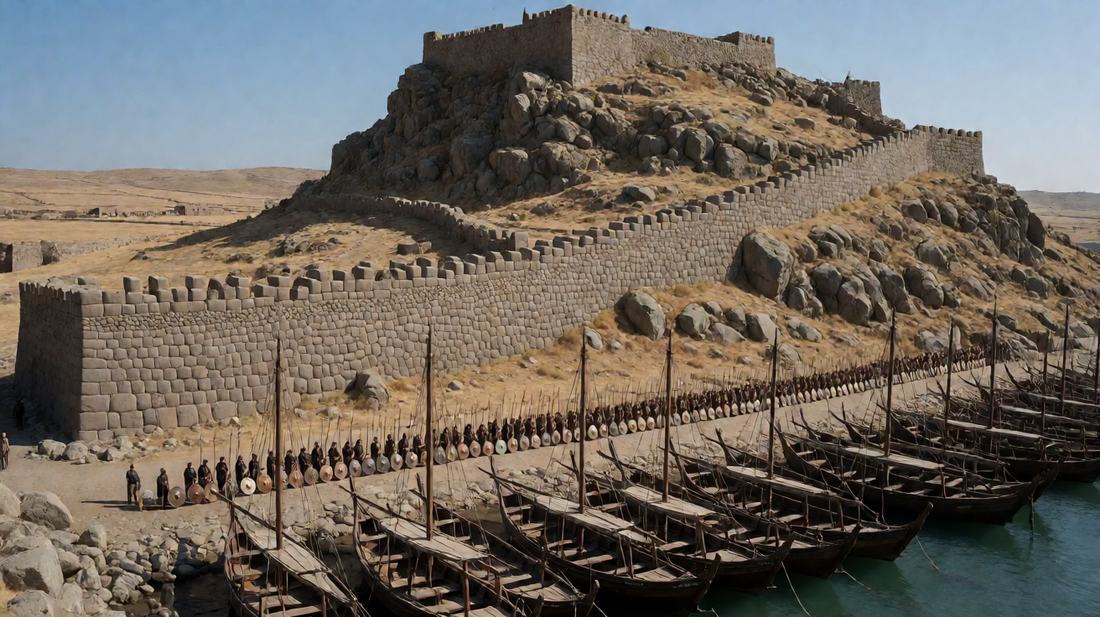
The Peloponnesian War | Athens Against Sparta
Historical Profile · Greece
The Peloponnesian War | Athens Against Sparta
A war between two Greek powers that ruined the winner as well as the loser, and left the first history written to explain events by human causes.
431-404 BC
Fought
Plague
Sicily
Last fleet lost
Athens
The big picture
Introduction
The Peloponnesian War was fought between Athens and Sparta and their friends. It ran from 431 BC to 404 BC. It was the great war of the Greek world.
It ended with Athens beaten. Its walls were pulled down and its fleet was lost. The two towns had stood together against Persia an age before.
The war between them grew out of the lead Athens took after that win. Almost every Greek state was drawn in on one side or the other.
Setting
Historical Context
The Persian wars of 490 BC and 480 BC had joined the Greek towns for a while. After the second raid was turned back, Athens took the lead in a league of states. They were formed to keep the Persians out of the Aegean. Each member gave ships or cash. The cash was kept in a store on the isle of Delos. The league soon changed its hue.
Athens moved the store to its own town. It used the funds to build its fleet and its temples. It stopped members leaving. What had begun as a pact became an empire in all but name. Against this stood Sparta. It was a town in the southern peninsula.
Its people were drilled from childhood for war. Its wealth rested on the toil of a subject people. Sparta led its own league of states, mostly inland and mostly run by a few. The two sides had fought a shorter war in the 450s. The peace they agreed in 446 BC was meant to last thirty years. It lasted fourteen.
Turning points
Key Events
The war began in 431 BC with a Spartan raid on Attica. That is the land round Athens. The Athenian leader Pericles shunned a land battle. The people of the land came inside the walls. The fleet went out to raid the foe coast. Athens waited for Sparta to tire. It did not work as planned. In 430 BC a plague broke out in the packed town. It killed a large part of the people.
In 429 BC Pericles himself died of it. The war went on for another twenty-five years. In 425 BC Athens won a sharp success at Pylos. It trapped a body of Spartan troops on a small isle. Sparta struck back by sending a gifted officer to the north. Athens lost several of its subject towns there. In 421 BC the two sides agreed a peace. It settled almost nothing. The decisive move came in the west.
In 415 BC Athens sent a great fleet and army to Sicily. The push ended in utter ruin in 413 BC. The fleet was lost and the army taken. Athens never got back its strength. Sparta took Persian cash to build a fleet of its own. In 405 BC it sank the last Athenian fleet at Aegospotami, in the narrow waters of the Hellespont. In 404 BC Athens gave in.
1
2
3
Who held power
People and Powers
Athens was a democracy, though a thin one. The assembly of all adult male citizens chose policy by vote. That meant a single speech could change the course of the war. Pericles held the trust of the assembly for years. The leaders who came after him were not his peers. Cleon pushed for harsh steps against the subject towns.
Nicias fought the Sicilian push and then lost it. Alcibiades was sharp and false, and he swapped sides twice. Sparta was the other way. Its set-up rested on two kings, a council of elders and a board of men chosen each year. It was a slow state. Its strength lay in the drill of its army.
Its weakness was that it had no cash. The war also threw up a new kind of man. The paid commander served a state for pay and could swap employers. It was a sign that the old world of the citizen soldier was falling apart.
Everyday world
Daily Life and Society
The war changed plain life in Athens from the first year. The people of the land were brought inside the walls. They lived in rough quarters and in the gaps between the long walls. The crush helped the plague spread. The loss of the farms of Attica pressed on the food supply.
The fleet was the base of Athenian power. It was manned by the poorest people. A warship needed about 170 rowers. The state paid them a daily wage. For poor men the navy was a job as well as a duty.
Foreign residents, who had no vote, also served and also paid extra taxes. Sparta’s war touched its own people in a different way. Its army was in the field for years at a time. Its subject people were watched with greater care. Its people at home lived under a system of drill and rules.
Craft and ideas
Trade, Technology and Ideas
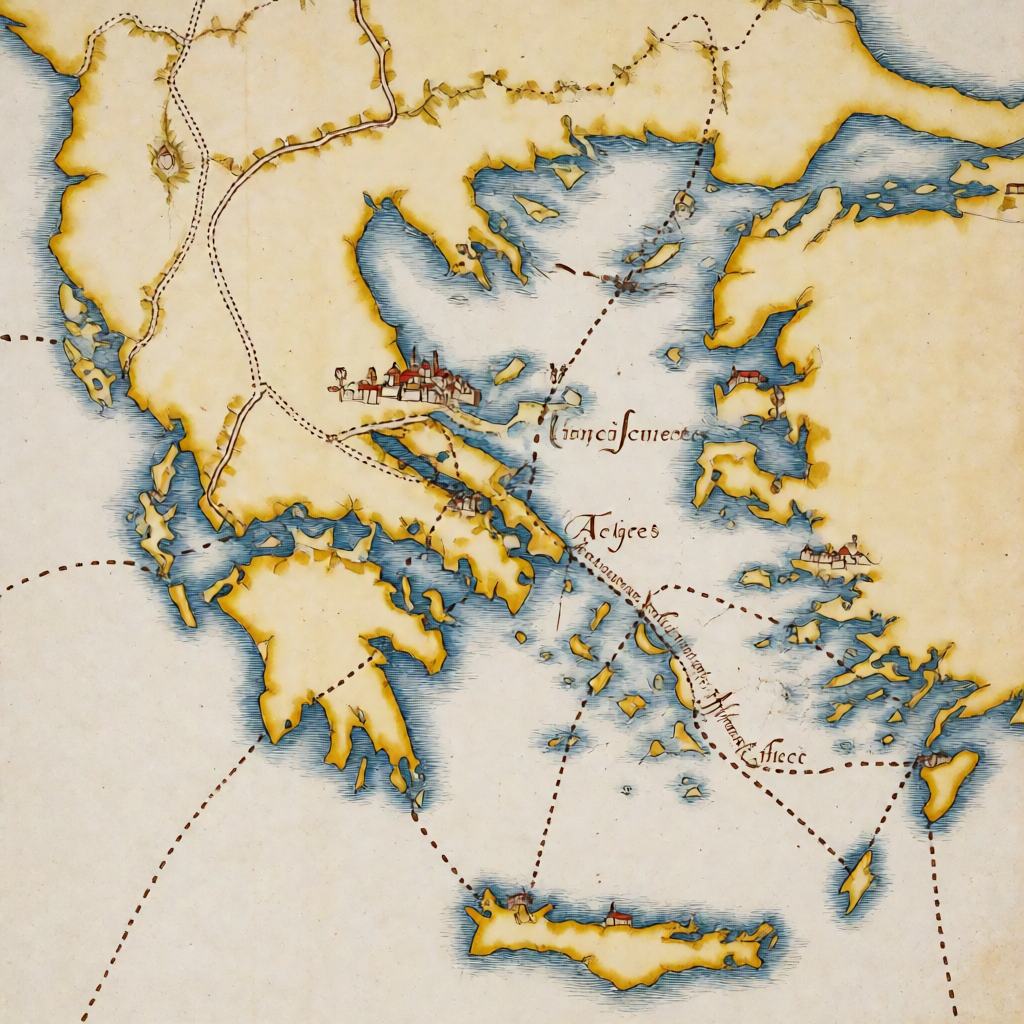
The war drove changes in how wars were fought. The three banked warship with a bronze ram was the standard craft of the age. Both sides built hundreds of them. Tactics grew more skilled. Siege craft also improved, because the war turned again and again on the taking of walled towns. Cash became the heart of strategy.
Athens drew tribute from its subject towns and could pay for long campaigns. Sparta could not, until Persia gave it the means to build a fleet. The war was settled at the end by who could keep a fleet at sea. The war also brought a new kind of writing. A historian from Classical Greece, Thucydides, was an Athenian general. He lost a command early in the war.
He spent the rest of his life writing its history. He set out to explain events by human causes rather than by the will of the gods. His book stops before the end of the war. It has been read ever since as the first work of its kind.
What lasted
Legacy
The war left Greece weaker than it found it. Athens lost its empire and its fleet. Its walls were pulled down to the sound of flutes. Sparta won, but its win lasted only an age.
Its harsh ways to its friends lost it support. The towns went on fighting in shifting groups. In 338 BC they were beaten together by Philip of Macedon. His son Alexander went on to take the Persian empire.
The deeper legacy is the way the war has been studied. Thucydides set out to show how a state with power uses it. Those points have been taken up in every century since. The war is still read as a case study in how a long clash between two great powers can end by ruining both.
Quick hits
Five Things to Remember
- The Peloponnesian War was fought between Athens and Sparta from 431 BC to 404 BC.
- A plague struck Athens in 430 BC and killed Pericles in 429 BC.
- Athens lost its push to Sicily in 413 BC.
- Sparta paid for a fleet with Persian cash and sank the Athenian fleet at Aegospotami in 405 BC.
- Athens gave up in 404 BC, and its walls were pulled down.