 By st20113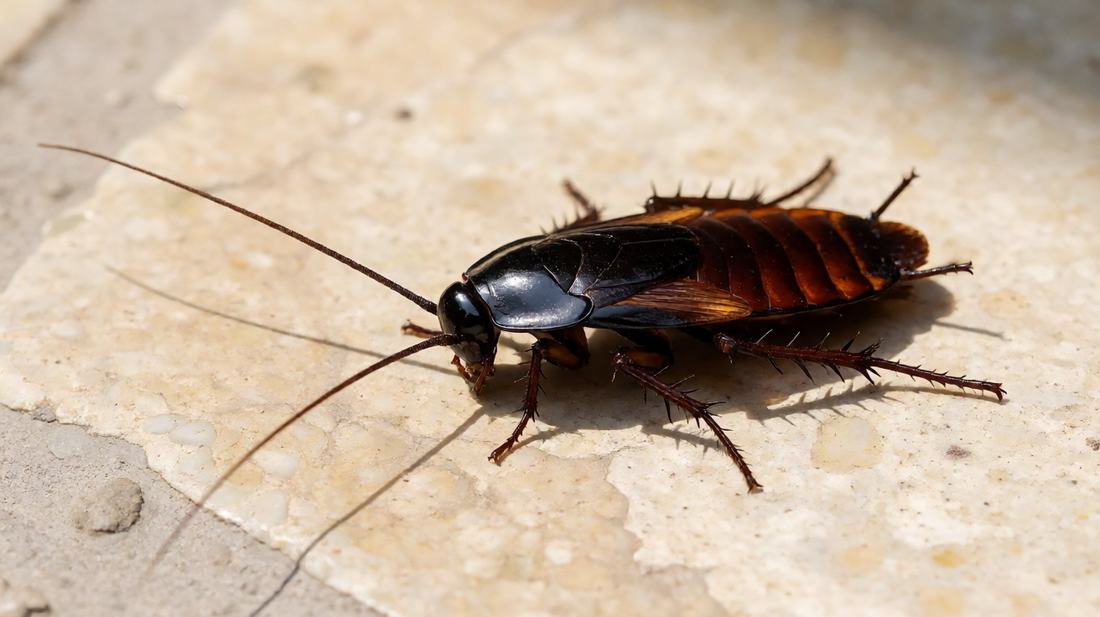
Blatta orientalis | Oriental Cockroach
Species Profile · Blattidae
Oriental Cockroach
A large dark insect of damp buildings that hides by day and comes out at night to feed on nearly any plant or animal matter.
A large dark cockroach of drains and cellars that walks rather than flies
Length
Colour
Wings
Egg capsule
Moults
Order
The Oriental Cockroach
A dark insect of damp buildings
The Oriental Cockroach is a large dark insect of damp buildings. It is 1 of the most widespread household insects in the world. It lives in cellars, drains and rubbish stores. It comes out at night to search for food.
The species cannot fly, even though it has wings. It is often called the black beetle by mistake. It prefers cool damp places to warm dry ones.
Family tree
Blattodea, Blattidae
The Oriental Cockroach belongs to the phylum Arthropoda. Its class is the Insecta. Its order is the Blattodea, the cockroaches. Its family is the Blattidae, the large cockroaches.
Our insect shares the family with the German Cockroach. That insect is small and pale brown. It runs fast and climbs smooth surfaces. Our insect is much darker and cannot climb glass.
Both belong to the same group of insects. The order holds more than 4,000 species.
27 mm and a shiny black shell
How to tell one
The adult measures about 20 to 27 mm long. The body is very dark reddish brown, almost black. The outer shell is smooth and shiny. The male has wings that cover about 2 thirds of the back.
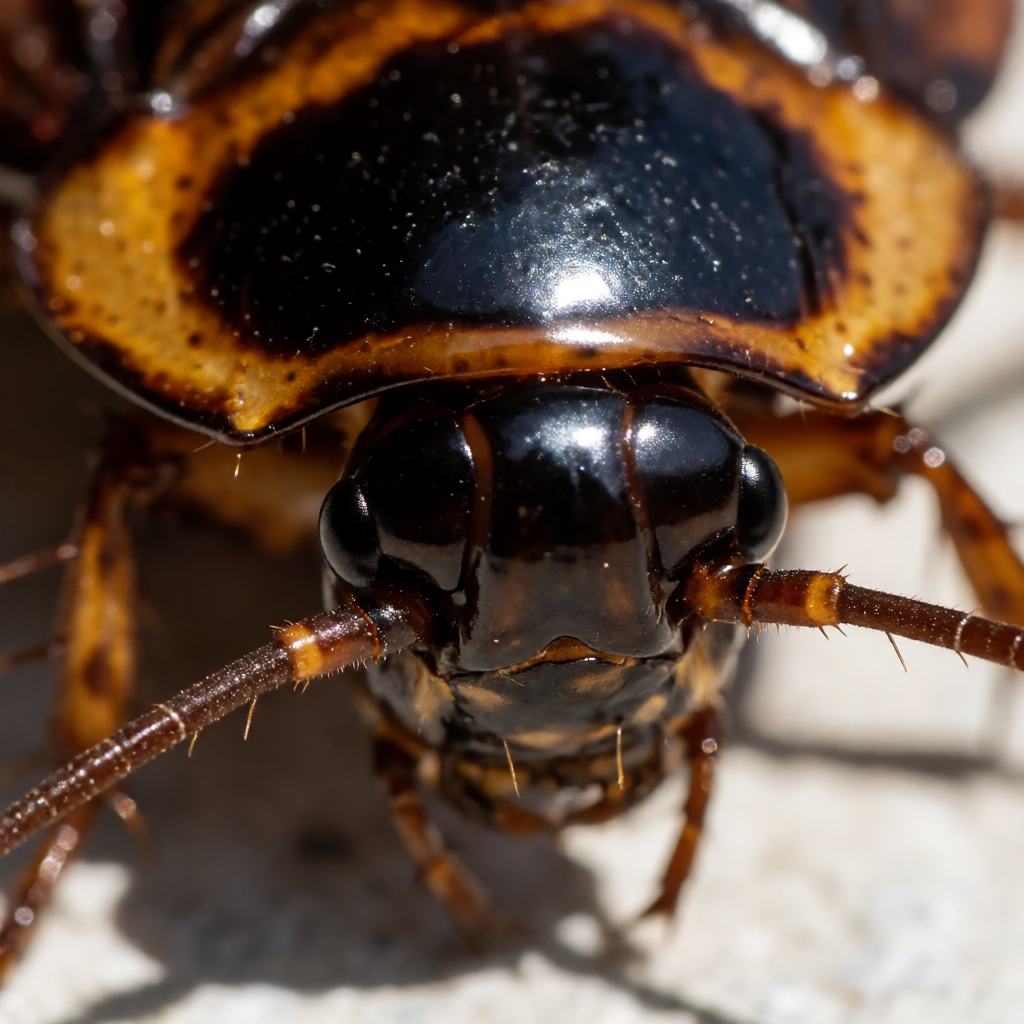
The female has short stubs in place of wings. Neither sex can fly. The head is hidden under a glossy shield. Two long antennae sweep the ground ahead.
The legs carry rows of small spines. A pair of short bristles sits at the tail end.
1
2
3
Drains, cellars and boiler rooms
Where it lives
The species needs damp air and dark shelter. It lives in drains, cellars and boiler rooms. It also lives under sinks and behind loose bricks. It often builds up around leaking pipes.
The insect likes a temperature that stays mild all year. It copes with cooler places than most household insects. It hides in cracks by day. It walks out at night for food and water.
It needs a water source close by. A dry building rarely suits it.
Crumbs, peel and old paper
What it eats
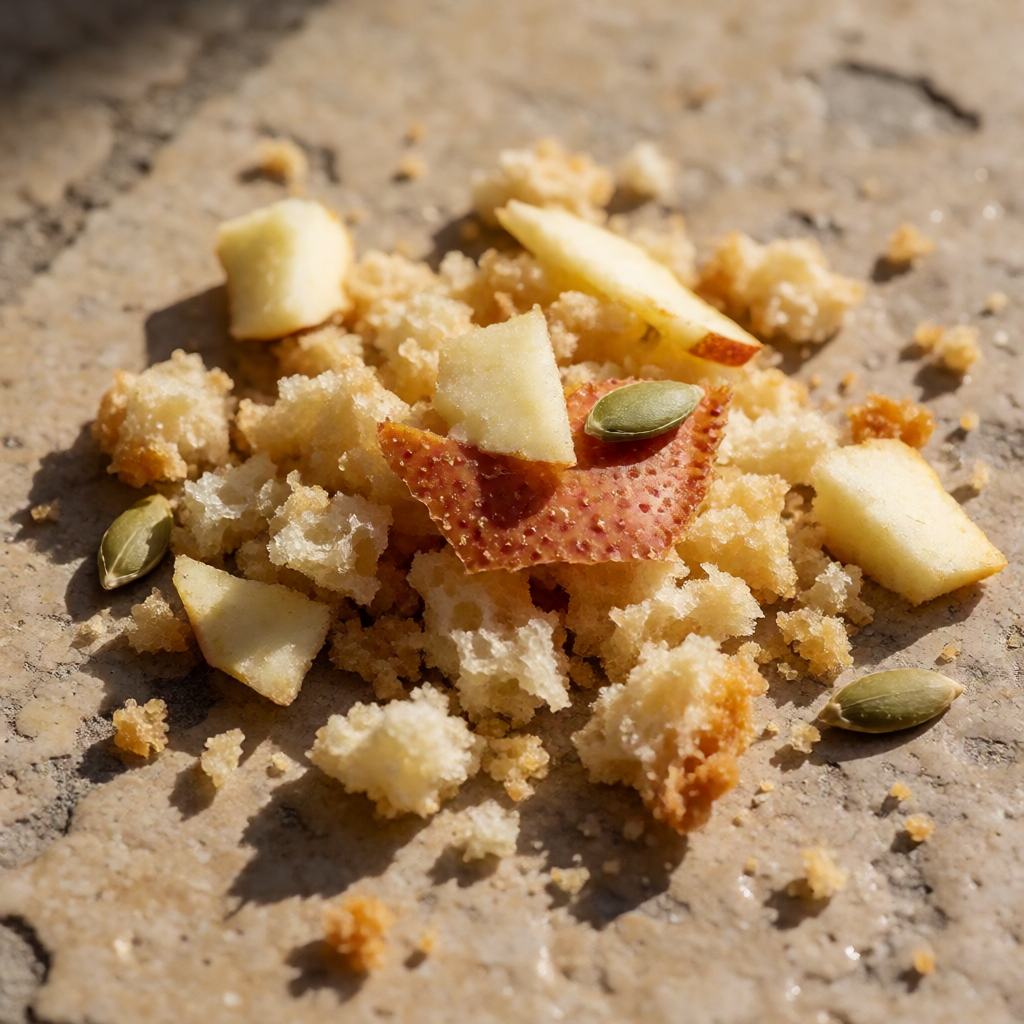
The Oriental Cockroach feeds on nearly any plant or animal matter. It takes crumbs of bread, flour and sugar. It also takes fruit peel and cooked food waste. It eats cardboard, paper and old cloth.
It feeds on dead insects and small mould patches. It needs water more than food. It may drink from a dripping tap. It can live for weeks without food.
It dies quickly without water. Its mouthparts chew from side to side.
A hard capsule of 16 eggs
The breeding cycle
The female makes a hard egg capsule at the tip of her body. That capsule holds about 16 eggs in 2 rows. She carries it for about a day.
Then she drops it in a crack or a dark corner. She makes several capsules in her life. The young hatch as small versions of the adult.
They moult about 8 to 10 times as they grow. The whole growth stage lasts about a year. The adult then lives for a few more months.
Treated as a pest in homes
Conservation
The Oriental Cockroach is not assessed by the IUCN. It is not a wild animal in most places. It has spread across the world with trade.
It is treated as a pest in homes and shops. Pest control uses traps, gels and sprays. The insect can carry bacteria on its legs and body.
It also gives off a smell where numbers are high. Clean kitchens with no leaks hold few of them. The species itself is in no danger at all.
Quick hits
Five things to remember
- It cannot climb smooth glass, unlike its smaller cousin.
- The female drops her eggs in one hard capsule.
- It can survive for weeks without any food.
- Its smell in a cellar comes from a chemical in its waste.
- This insect would rather run than fly.