 By st20113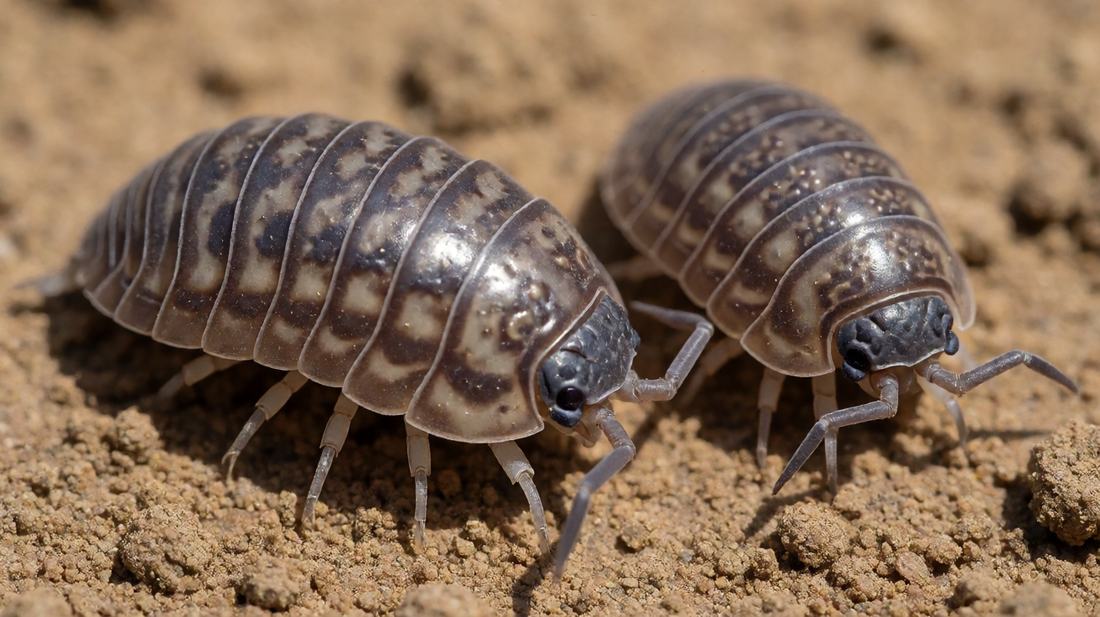
Armadillo officinalis | Official Pill Woodlouse
Species Profile · Armadillidiidae
Official Pill Woodlouse
A large woodlouse of warm dry country that can roll into a perfect ball, breathes through plates under its tail and helps to turn dead leaves into soil.
A land crustacean that rolls into a perfect armoured ball
Body
Legs
Antennae
Colour
Brood
Life
The official pill woodlouse
A land crustacean of dry stone country
The Official Pill Woodlouse is a land crustacean of dry stone country. It is 1 of the few animals that rolls into a ball. It lives under stones and dead leaves.
It feeds on rotting plant matter. Its shell is grey and bronze. The animal is common in warm gardens.
It never bites and it does no harm. It helps to turn dead leaves into soil.
Family tree
Isopoda, Armadillidiidae
The Official Pill Woodlouse sits in the phylum Arthropoda. Its class is the Malacostraca. Its order is the Isopoda. Its family is the Armadillidiidae.
Our animal shares the family with the Pill Woodlouse. That animal also rolls into a ball. It is smaller and it lives in cooler lands. Our animal grows larger.
The 2 species both carry 7 pairs of legs. Both also breathe through special plates.
12 mm and a closing ball
How to tell one
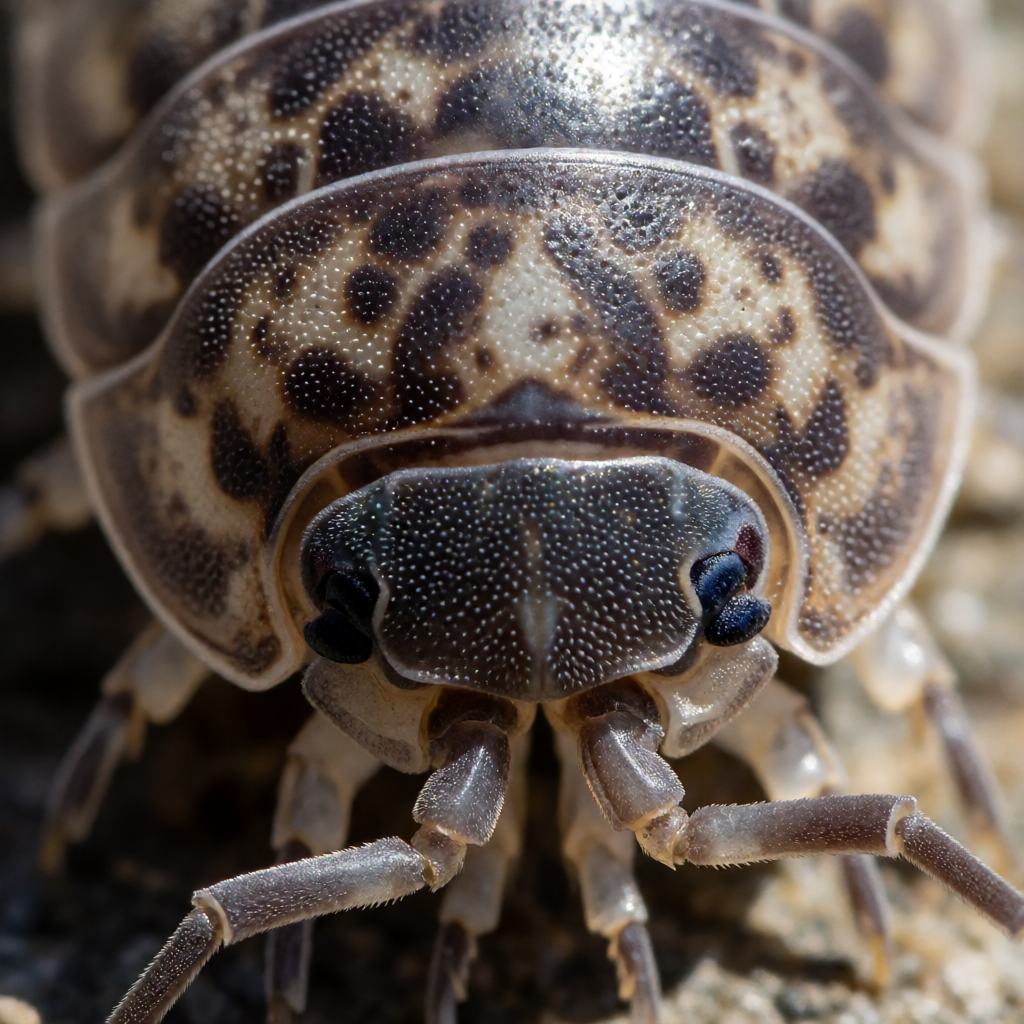
The body grows to about 12 mm in length. The shell is made of hard plates. Those plates overlap down the back. The animal can roll into a perfect ball.
The head and the tail then meet with no gap. The colour is grey with a bronze shine. The surface feels smooth in the hand. The animal has 7 pairs of legs.
Each leg ends in a small claw. It has 2 pairs of antennae. The long pair carries the sense of touch. The eyes are small and sit on the sides.
1
2
3
Limestone walls and old ruins
Where it lives
The species lives in warm and dry country. It favours limestone walls and old ruins. It also lives under stones and boards. It needs a damp crack for the day.
It comes out at night to feed. It prefers ground with plenty of lime. It does well in a garden with dry soil. It dislikes deep wet mud.
The animal lives in loose groups. A stone gives them a common roof. The whole group moves as the stone is lifted.
Dead leaves and rotting wood
What it eats
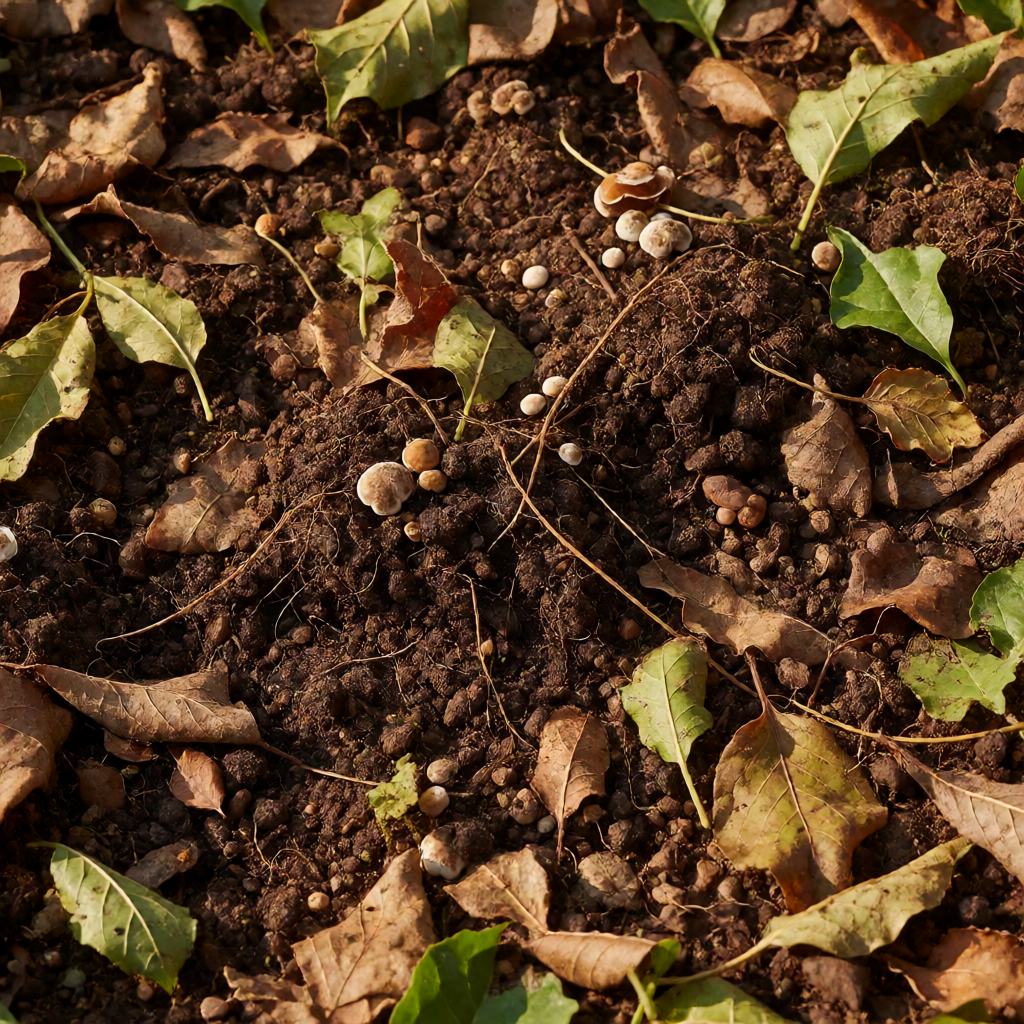
The Official Pill Woodlouse is a feeder on dead plants. It eats fallen leaves and soft wood. It also takes fungus and old fruit. The animal cuts the food with small jaws.
It needs to drink water often. It cannot store much water in its body. It breathes through plates under the tail. Those plates must stay wet to work.
The animal therefore hides from the sun. It feeds at night and after rain. Its waste helps to build good soil.
Eggs carried in a pouch
The breeding cycle
The male and the female mate in spring. The female then forms a pouch under her body. That pouch holds the eggs. She carries them for about 2 months.
The eggs hatch inside the pouch. The young look like tiny adults. They leave the pouch all at once. They then grow for about 2 or 3 years.
The female may breed more than once. The animal sheds its skin in 2 halves.
Gardens cleaned of dead leaves
Conservation
The Official Pill Woodlouse has not been assessed by the IUCN. It is common in the south of Europe. It has no legal protection. It needs dead leaves and old stone.
Cleaning a garden removes both. Poison against insects also harms it. The animal does a great service for the soil. It breaks dead plants into fine pieces.
Its numbers are healthy at present. A corner of dead leaves helps it most. So does a wall left uncleaned.
Quick hits
Five things to remember
- It rolls into a ball to escape a threat.
- It is a crustacean and not an insect.
- It breathes through plates under its tail.
- The female carries her eggs in a pouch.
- It sheds its skin in 2 separate halves.