 By st20113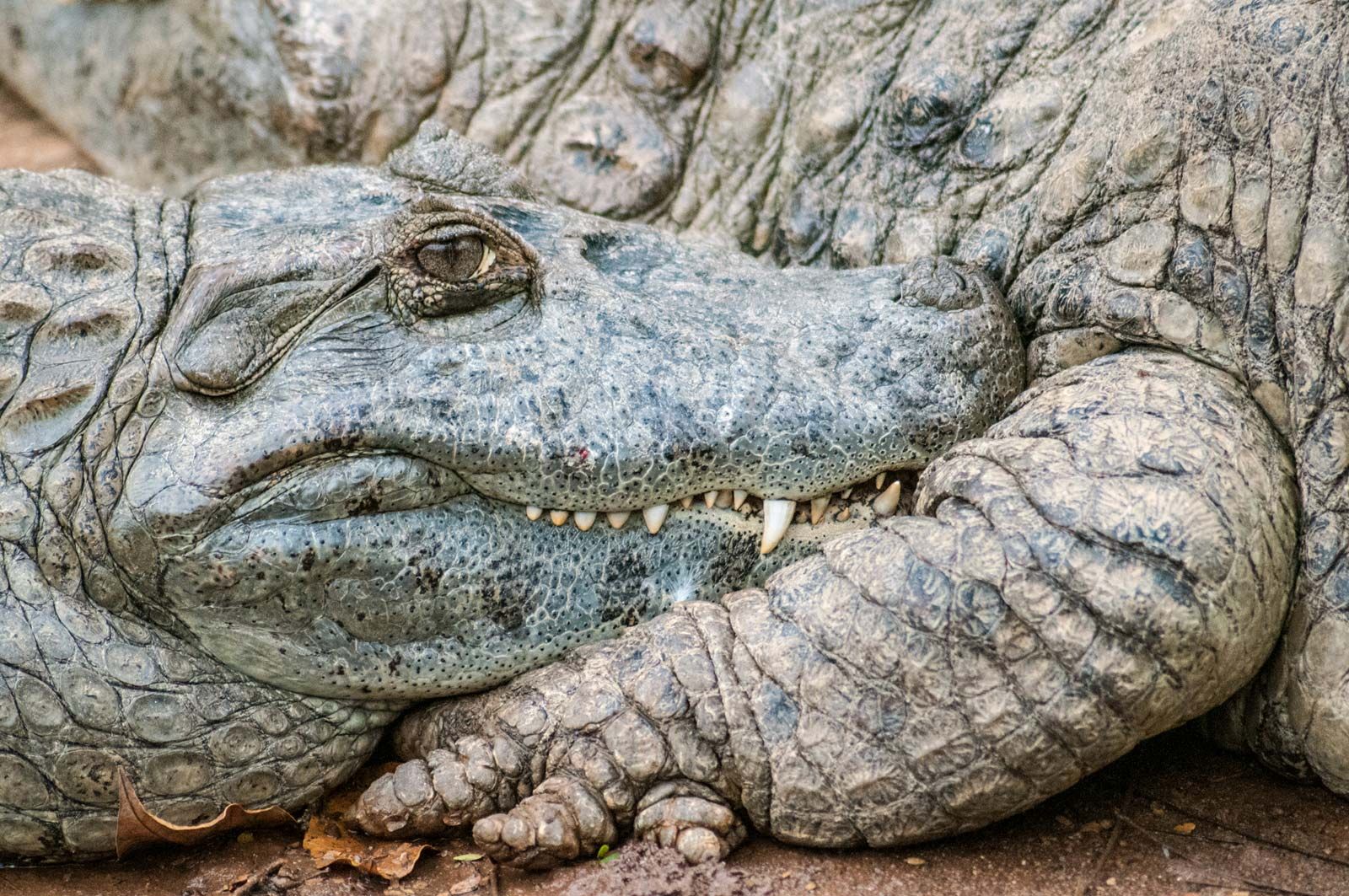
Crocodiles are large, semi-aquatic reptiles belonging to the family Crocodylidae, found in tropical and subtropical regions across Africa, Asia, the Americas, and Australia. With a lineage stretching back over 200 million years, crocodiles are living fossils that have outlived the dinosaurs. As apex predators in their ecosystem, they regulate fish and mammal populations across freshwater ecosystems.
Physical Characteristics
Crocodiles have a long, flattened snout, powerful tails, and thick, scaly skin reinforced with bony plates called osteoderms. Their conical teeth are continuously replaced throughout life-a single crocodile may go through 3,000 teeth over its lifetime. Nostrils, eyes, and ears are positioned on top of the head, allowing them to remain nearly completely submerged while watching and breathing.
Hunting and Diet
Crocodiles are ambush predators. They float motionless near the water’s edge, often with only eyes and nostrils visible, then explode upward with incredible speed to seize prey. Their bite force is the strongest measured of any living animal, exceeding 3,700 kg per square centimeter in saltwater crocodiles. Despite their fearsome reputation, they also eat fish, turtle, and carrion.
Behavior
Unlike most reptiles, crocodiles show sophisticated parental care. Females build nests, guard their eggs fiercely, help hatchlings emerge, and carry them to water in their mouths. They may protect young for months or even years. Crocodiles also communicate through vocalizations-hatchlings chirp, adults bellow, and they produce hisses and growls.
Habitat and Range
Crocodiles inhabit rivers, lakes, swamps, and estuaries. The saltwater crocodile is the largest living reptile, reaching over 6 meters, and can travel between islands in the open ocean. The Nile crocodile is Africa’s largest freshwater predator.
Conservation Status
Many crocodile species have recovered from severe hunting pressure through regulated farming and protection. The saltwater and Nile crocodiles are now Least Concern, while some species like the Philippine crocodile and gharial remain Critically Endangered.