 By st20113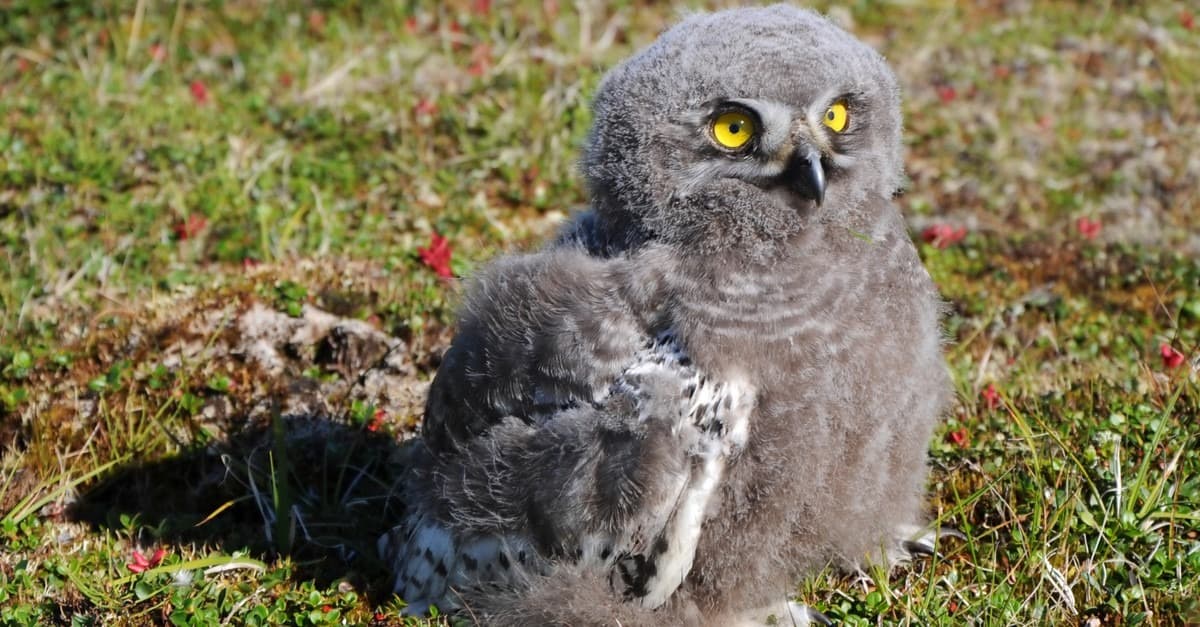
The snowy owl (Bubo scandiacus) is a large, white owl of the Arctic tundra, instantly recognizable by its pale plumage and brilliant yellow eyes. A powerful raptor built for cold, it is one of the few birds that remain on the tundra through the long northern winter and a striking presence in the circumpolar ecosystem.
Physical Characteristics
Snowy owls are among the largest owls, with wingspans reaching 1.5 meters. Males are nearly pure white, while females and juveniles bear scattered dark barring that provides camouflage among rocks and snow. Dense feathers cover even their feet, acting like built-in snow boots. Their keen hearing and vision let them locate prey beneath snow and in near-total darkness.
Hunting and Diet
Unlike many owls, snowy owls are largely diurnal, hunting by day across open ground. Their primary prey is lemmings, and in peak lemming years a single pair may raise many chicks; in poor years breeding may fail entirely. They also take rabbits, birds, and fish. Their hunting style-silent flight and swift, powerful strike-echoes that of other Arctic predators such as the arctic fox, with which they share the tundra food web.
Reproduction
Snowy owls nest on the ground, scraping a shallow bowl among low vegetation. Clutch size tracks prey abundance, ranging from a few eggs in lean years to a dozen or more when food is plentiful. Both parents defend the nest fiercely against intruders, including humans who approach too closely.
Migration and Irruptions
Most snowy owls stay north year-round, but every few winters they irrupt southward in large numbers when prey crashes, delighting birdwatchers far from the Arctic. These movements highlight the deep links between Arctic prey cycles and ecosystems far to the south.
Conservation Status
Snowy owls are generally listed as Vulnerable, with populations sensitive to climate change that alters tundra prey dynamics and snow cover. Collisions with vehicles and aircraft, and disturbances at nest sites, add further pressure. Monitoring their movements via satellite tagging is improving conservation planning.
The snowy owl embodies the stark beauty and fragility of the Arctic. As the north warms, this ghost of the tundra has become a symbol of the rapid change overtaking Earth’s cold regions.
[…] indigenous peoples for food and fur. However, this harvest appears sustainable at current levels. Snowy Owl and other predators naturally regulate populations. Conservation monitoring ensures their numbers […]
[…] from other owls more than 40 million years ago. The species has no close relationship with the Snowy Owl or Great Horned Owl, which belong to a different family […]