 By st20113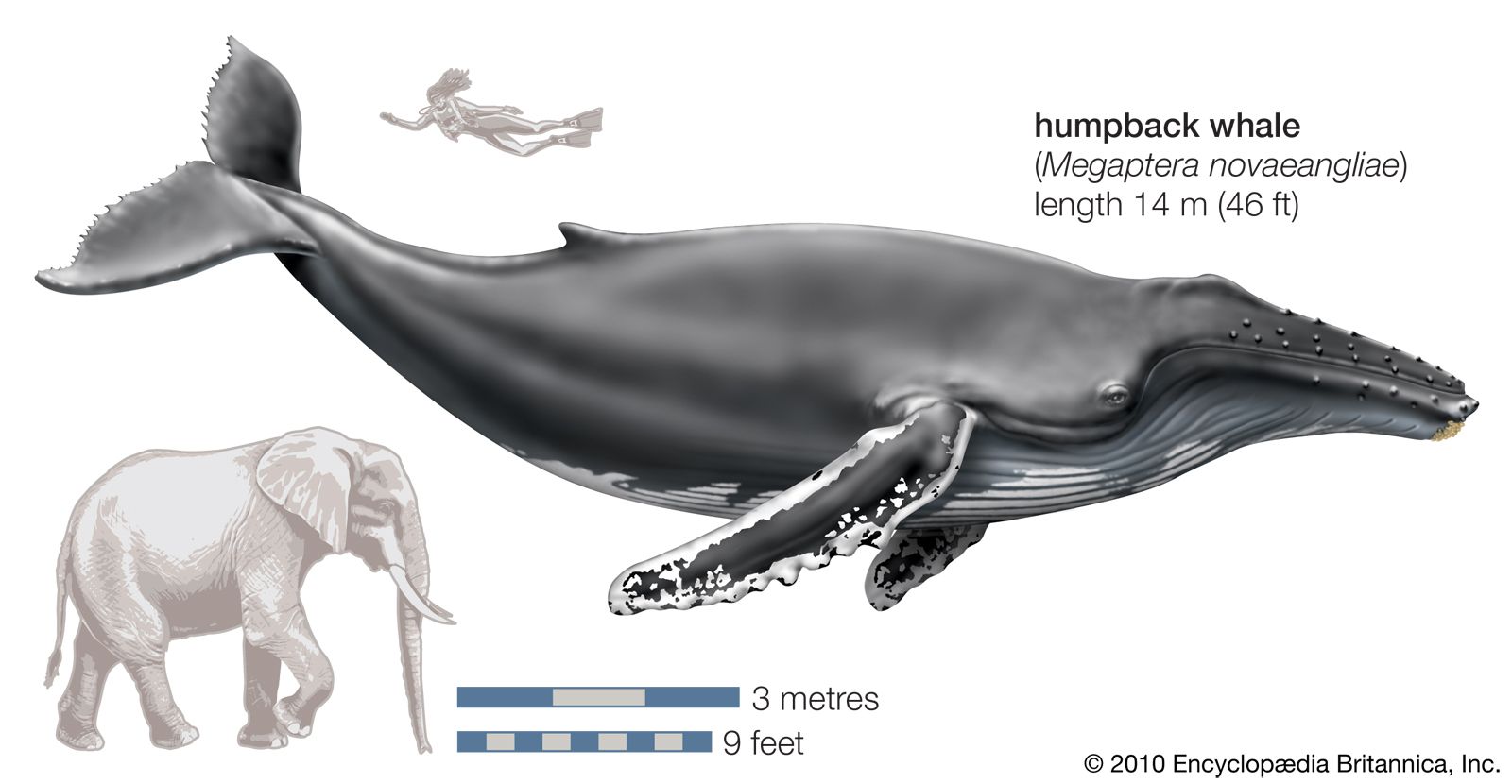
The humpback whale (Megaptera novaeangliae) is a large baleen whale found in oceans around the world. Renowned for its haunting songs, acrobatic breaches, and extraordinarily long migrations, the humpback is one of the most studied and beloved of all whales. It shares the open ocean with giants such as the blue whale and helps sustain the marine ecosystem through its feeding and nutrient cycling.
Physical Characteristics
Humpbacks reach 12-16 meters in length and weigh up to 40 tonnes. They are easily?? by their long pectoral fins-the longest of any whale, up to one-third of their body length-and knobby head covered in tubercles, each containing a sensory hair. Their dark backs contrast with pale undersides on the flippers and belly. Like all baleen whales, they filter food through fringed plates instead of teeth.
Feeding and Migration
Humpbacks spend summers feeding in cold, productive polar waters, consuming up to 1.5 tonnes of krill and small fish daily. In winter they migrate to warm tropical breeding grounds where they fast for months. Their cooperative “bubble-net feeding,” in which whales blow curtains of bubbles to corral prey, is one of the few examples of coordinated hunting among whales.
Song and Communication
Male humpbacks produce long, evolving songs that can travel for kilometers underwater. A single song may last over 20 minutes and be repeated for hours, with populations gradually changing the song from year to year. Scientists believe songs play a role in mating, though their full meaning remains mysterious.
Breaching and Behavior
Humpbacks frequently breach-launching their bodies clear of the water-and slap the surface with fins and tails. While the exact purpose is debated, it may serve communication, parasite removal, or play. Mothers are protective and nurturing, guiding calves on the long return migration.
Conservation Status
Once driven to the brink by commercial whaling, humpback populations have recovered substantially since the 1986 whaling ban and are now listed as Least Concern, though some regional populations remain Endangered. Threats today include entanglement in fishing gear, ship strikes, ocean noise, and climate-driven changes to prey distribution.
Humpback whales are ambassadors of the ocean’s wonder, their recovery a rare conservation success story. Protecting the migratory corridors and feeding grounds they rely on benefits the broader marine web of life.
cicada emergence; among the rare phenomena that compare are the synchronized songs of the humpback whale during breeding season, both showcasing how animals coordinate en masse for reproduction. After a