 By st20113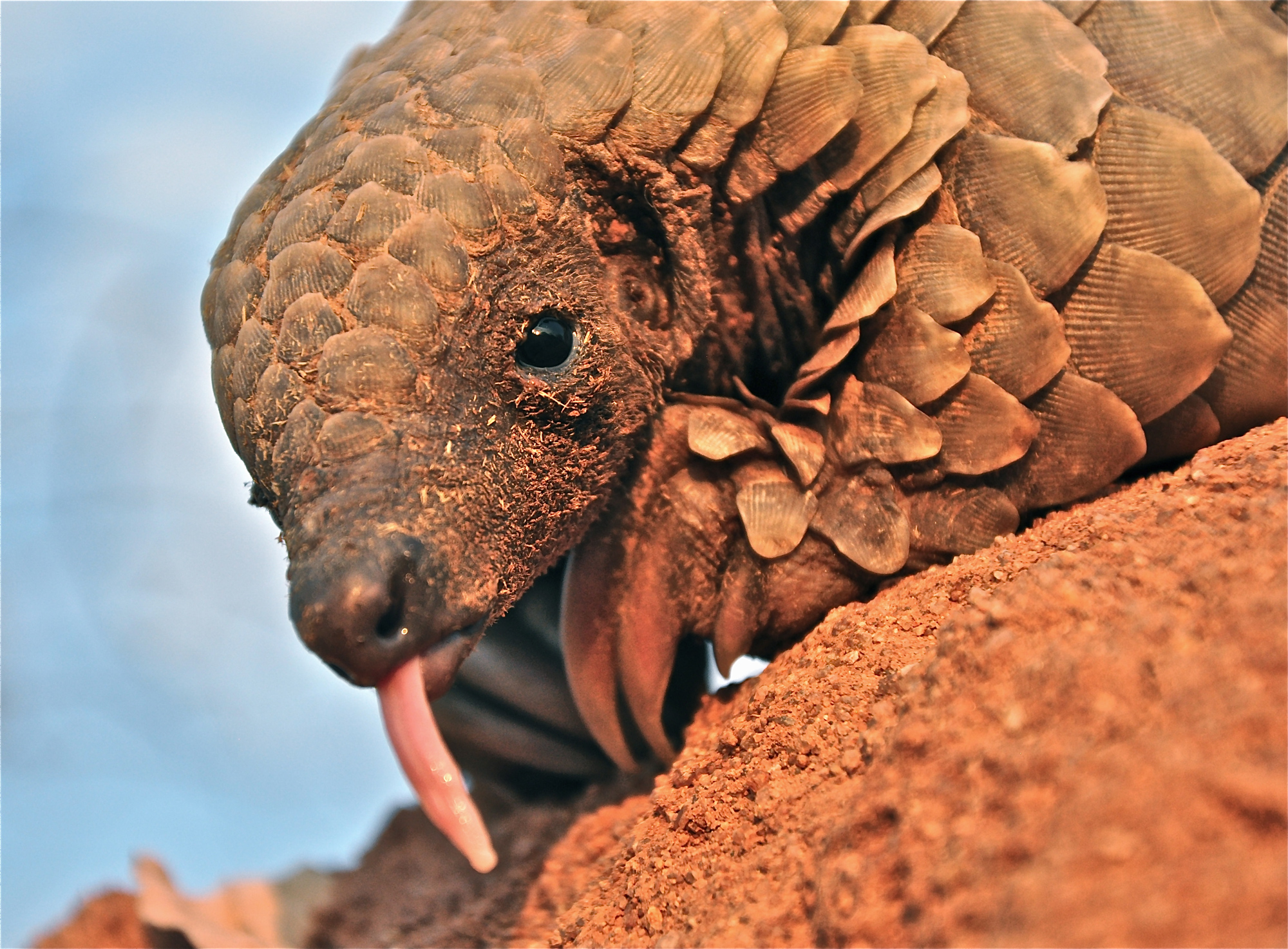
A Pangolin is a nocturnal mammal of the order Pholidota, known for its distinctive overlapping keratin scales that cover its entire body. Found across Africa and Asia, pangolins are the only mammals entirely covered in scales, which make up about 20% of their body weight. These remarkable creatures play a crucial role in their ecosystem as insect controllers, particularly regulating termite and ant populations.
Physical Characteristics
Pangolins range in size from the small Indian pangolin (about 2 kg) to the giant ground pangolin (up to 33 kg). Their scales are made of keratin-the same protein in human fingernails-and are constantly growing, much like the claws on their powerful front legs. When threatened, a pangolin curls into a tight ball, using its scales as armor. Their long, sticky tongues, which can extend up to 40 cm, are perfectly adapted for capturing ants and termites inside their tunnels.
Behavior and Diet
Pangolins are strictly insectivorous, feeding almost exclusively on ants and termites. Using their powerful claws to tear open insect mounds, they employ their extraordinarily long, cylindrical tongues to lap up thousands of insects each night. A single pangolin can consume up to 70 million insects per year, making them one of nature’s most efficient pest controllers. This dietary specialization places them as a unique consumer in their ecological community.
Habitat and Distribution
Eight pangolin species exist worldwide: four in Africa and four in Asia. African species include the giant ground pangolin, white-bellied pangolin, black-bellied pangolin, and Temminck’s ground pangolin. Asian species include the Indian pangolin, Chinese pangolin, Sunda pangolin, and Philippine pangolin. They inhabit tropical forests, savannas, and grasslands, though their specific habitat requirements vary by species.
Conservation Status
All eight pangolin species are classified as threatened on the IUCN Red List, with several listed as Endangered or Critically Endangered. Pangolins are the most trafficked mammals in the world, with over one million individuals taken from the wild in the past decade alone. Their scales are prized in traditional medicine across Asia, despite having no scientifically proven medicinal value. Habitat loss and the illegal wildlife trade pose the most severe threats to their survival. The polar bear and tiger are also critically threatened, and international conservation efforts have intensified to protect pangolins from extinction.
Ecological Importance
As a keystone species in their habitats, pangolins help maintain the balance of insect populations in the ecosystem. Their burrowing behavior also aerates soil and contributes to nutrient cycling. Protecting pangolins means protecting the intricate food web they support alongside other vulnerable mammals.
Reproduction
Pangolins are solitary animals, coming together only to mate. After a gestation period of 120 to 150 days, females give birth to a single pup. The newborn is carried on the mother’s back for several weeks, riding on her tail as she forages. This maternal behavior makes pangolins particularly vulnerable, as mothers and their young are easily captured together when they cannot yet roll into a defensive ball.
Human Interaction and Conservation Challenges
Pangolin scales are used in traditional Chinese medicine, believed to help with lactation, circulation, and detoxification-claims that have been thoroughly debunked by modern science. In some African cultures, pangolin meat is consumed as a delicacy. The demand from these markets drives relentless poaching, making pangolins one of the most endangered animal groups on the planet. Like the snow leopard and other keystone predators, pangolins face an uncertain future without urgent global conservation action.
Pangolins represent one of Earth’s most ancient mammalian lineages, having evolved independently for tens of millions of years. Their unique biology, ecological role, and extreme vulnerability make them a flagship species for wildlife conservation efforts worldwide.
[…] pangolin known as the Chinese Pangolin (Manis pentadactyla) is one of eight living species and among the […]
Giant Pangolin belongs to the order Pholidota, a small group of pangolins that diverged from the carnivore lineage approximately 70 million years ago. Its scientific name
[…] have been identified from African fossil sites. Aardvarks share convergent features with the pangolin and giant anteater, which independently evolved similar adaptations for eating social […]