 By st20113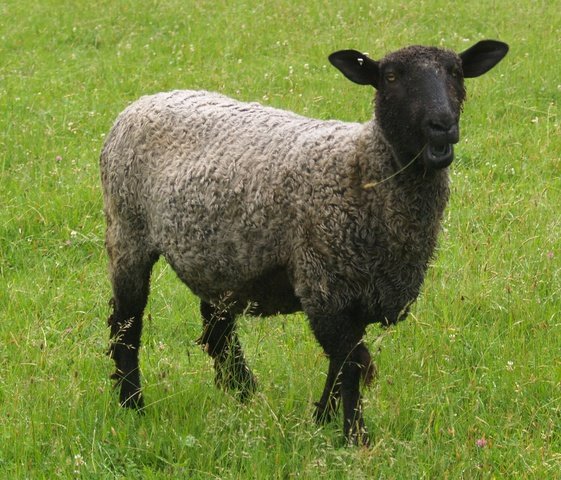
Introduction
The domestic sheep is among the first animals humans domesticated, raised for wool, meat, milk, and hides for roughly ten to eleven thousand years. Ovis aries belongs to the family Bovidae and descends from the wild mouflon of Eurasia. Today more than a billion sheep graze across the globe, from highland pastures to lowland plains. Docile, gregarious, and highly valued, sheep have shaped agriculture, trade, and culture on every inhabited continent.
Taxonomy
Sheep are members of the genus Ovis within the subfamily Caprinae, the same group that includes goats. The wild ancestor of most domestic sheep is the Asiatic mouflon, Ovis gmelini. Centuries of selective breeding have produced more than a thousand breeds specialized for wool, meat, or milk. Sheep share lineage with wild relatives such as the muskox and, more distantly, with goats, though the two are separate genera that do not readily interbreed.
Physical Characteristics
Domestic sheep range widely in size, with mature animals weighing from thirty-five to over one hundred eighty kilograms depending on breed. Most breeds grow a thick woolly fleece, while hair sheep have coarse coats instead. Both sexes may have horns, but in many breeds only rams are horned, and some are naturally polled. Sheep possess excellent peripheral vision and a strong flocking instinct. Their dentition and divided upper lip aid in close cropping of grass.
Habitat
Sheep are supremely adaptable, grazing everything from temperate meadows and Mediterranean hills to arid rangeland and alpine slopes. They prefer open ground where the flock can move together and watch for danger. Pasture quality, predator pressure, and climate shape where flocks thrive. Good husbandry provides shelter from extreme weather, clean water, and regular shearing where wool breeds are kept, since unshorn fleece can cause heat stress and disease.
Diet
Sheep are grazing herbivores that feed mainly on grasses, legumes, and tender forbs. Their four-chambered stomach lets them extract nutrition from cellulose-rich plants that many animals cannot digest. They prefer short, young growth and will selectively bite tender shoots. Mineral supplements, especially copper managed carefully, and clean forage keep flocks productive. Unlike browsers such as goats, sheep generally avoid coarse woody plants.
Reproduction
Ewes are seasonal breeders, most readily mating in autumn so lambs arrive in spring. After a gestation nearing one hundred fifty days, a ewe typically births one or two lambs, with multiple births more common in prolific breeds. Newborn lambs are precocial, standing and nursing within an hour. They are weaned at two to four months. Selective breeding controls flock size, lambing ease, and wool or meat traits prized by producers. The donkey shares this long history of partnership with people.
Conservation
As a domesticated species, sheep are abundant and secure, though numerous traditional and rare breeds are endangered as commercial strains spread. Heritage breed conservancies work to maintain genetic variety for resilience to climate and disease. Sheep also sustain pastoral livelihoods and help manage landscapes through grazing, reducing fire risk and supporting biodiversity in some ecosystems.
Fun Facts
Sheep can recognize the faces of dozens of other sheep and of familiar humans. A flock will follow a bold leader but becomes anxious when isolated. Their wool, a protein called keratin, is the same material as human hair and nails. Some breeds, like the merino, produce fleece so fine it feels like silk.
Sheep exhibit strong flocking behavior, which historically made them easier to manage and herd across vast rangelands. Their wool grows continuously and can be shorn annually without harm, providing a renewable textile resource. Lamb meat is a prized protein source in many cultures, and sheep tallow has historically been used in candle making and traditional medicines throughout Eurasia and the Middle East.
Sheep breeds are broadly classified into fat-tailed, thin-tailed, and carpet wool types, each adapted to different climates and farming purposes. Fat-tailed sheep, common in Middle Eastern and African systems, store fat in their distinctive tails as an energy reserve against seasonal food scarcity.
[…] building stone. Almost everything hard had to be brought in. In return it sold cloth. Flocks of the domestic sheep were the engine of the economy. Temple and palace kept huge herds. Thousands of women spun, dyed […]