 By st20113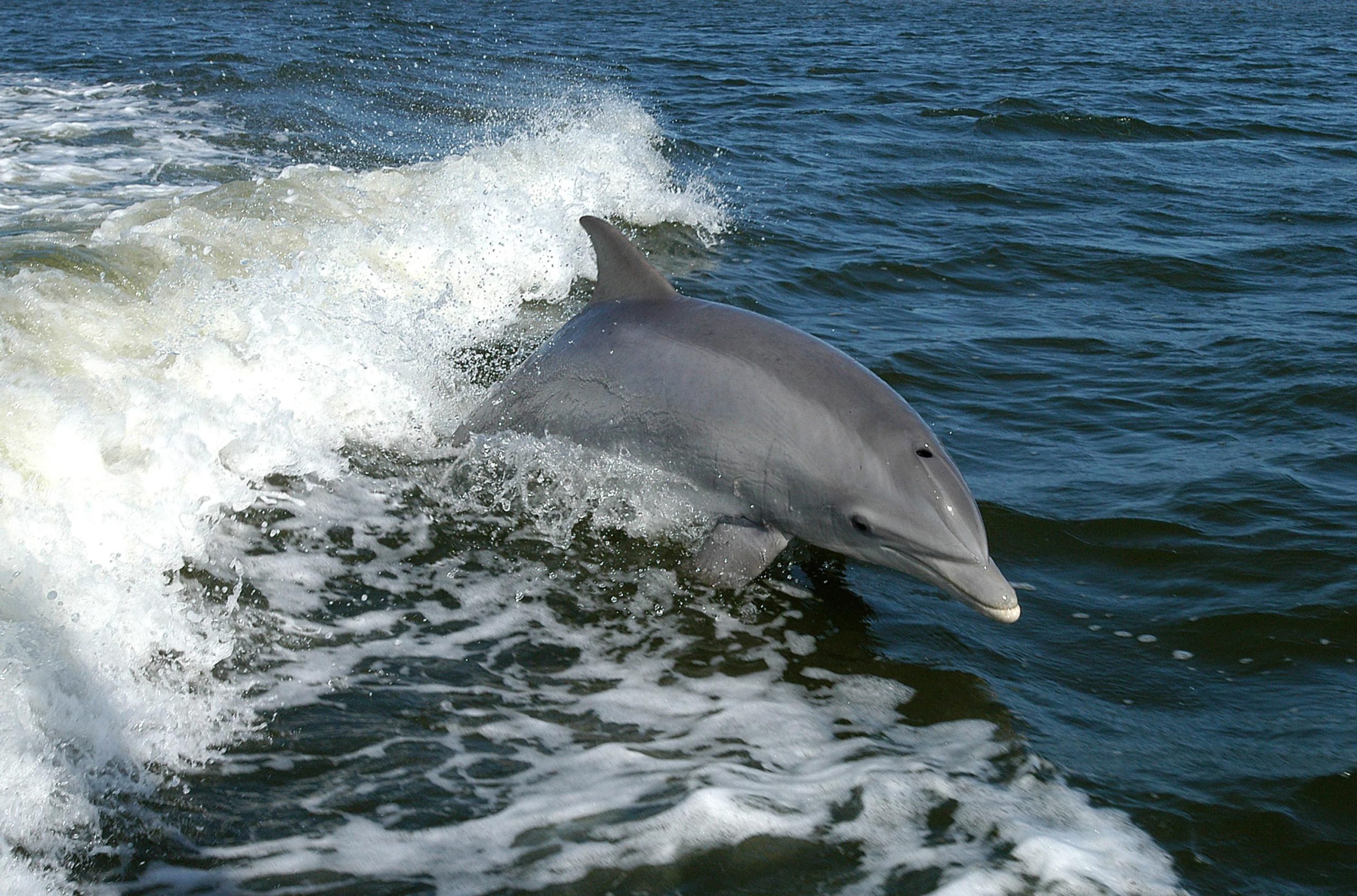
The Bottlenose Dolphin (Tursiops truncatus) is perhaps the most widely recognized marine mammal on Earth – the sleek, intelligent, smiling cetacean that has starred in countless films, aquariums, and marine parks, and has been the subject of some of the most intensive scientific study of any non-human animal. Found in all oceans except the Arctic and Antarctic, from shallow coastal waters to deep offshore environments, Bottlenose Dolphins exhibit remarkable behavioral flexibility and cognitive sophistication that have made them one of the most studied animals in marine biology. Their intelligence, social complexity, and apparent curiosity toward humans have made them a flagship species for ocean conservation, while their complex echolocation system, communication vocalizations, and self-recognition abilities have provided profound insights into the evolution of cognition and social behavior across the animal kingdom.
Echolocation and Sensory World
Bottlenose Dolphins perceive their underwater world primarily through echolocation – a biological sonar system that allows them to detect, locate, and characterize objects in the water with extraordinary precision. The dolphin produces clicks in the nasal passage, which are focused by the melon – a fatty, lens-shaped organ in the forehead – into a directional sound beam. When these clicks encounter an object, they bounce back as echoes that are received through the dolphin’s lower jaw and transmitted to the inner ear and brain for processing. This system allows Bottlenose Dolphins to detect fish at distances of 100 meters or more, to distinguish between different species of fish based on the size, shape, and internal structure of their swim bladders, and to navigate through complex underwater environments with remarkable spatial awareness. When hunting, dolphins often work cooperatively to herd schools of fish into compact balls, taking turns swimming through the school to feed – a coordinated hunting strategy that shares conceptual similarities with the cooperative hunting of African Wild Dogs on the savanna.
Beyond echolocation, Bottlenose Dolphins communicate through a complex system of whistles, clicks, and body language. Each dolphin develops a unique “signature whistle” – a distinctive vocalization that functions like a name, allowing individual dolphins to identify and call each other across distances. Mother dolphins use their signature whistles to call their calves, and dolphins in the same social group develop shared vocal characteristics, analogous to a regional accent in human language. Research has shown that dolphins can learn to associate arbitrary sounds with objects or behaviors, demonstrating a level of acoustic symbol manipulation that is rare in the animal kingdom and suggests cognitive abilities comparable in some domains to those of great apes.
Social Structure and Intelligence
Bottlenose Dolphins live in fluid social groups called pods – typically comprising 2-15 individuals in coastal environments and up to several hundred in offshore populations. These social groups are not rigidly organized around family units, as in many terrestrial social mammals, but instead form shifting alliances that can involve dozens of individuals cooperating in complex social negotiations. Within these alliance networks, male dolphins form cooperative alliances (called “first-order alliances”) of 2-3 individuals who cooperate to compete for access to females, and these first-order alliances can form second-order alliances with other male alliances, creating social structures of remarkable complexity. Female dolphins typically form looser, more kinship-based social networks, and the bond between a mother dolphin and her calf – which may last 3-6 years before weaning – is one of the strongest social bonds in the dolphin world.
Bottlenose Dolphins occupy a crucial trophic position in the ecosystem as mid-level marine predators, feeding primarily on fish and squid while themselves preyed upon by sharks and, in some regions, orcas. Their role as predators of commercially important fish species makes them significant indicators of marine ecosystem health – changes in dolphin population dynamics often signal changes in fish stock abundance that are relevant to both marine ecology and fisheries management. Like the Blue Whale, Bottlenose Dolphins are connected to the base of the marine food web through the fish they consume – fish that ultimately depend on photosynthetic phytoplankton for their energy, illustrating the deep connection between ocean ecosystem productivity and the apex marine predators at the top of the food chain.
Conservation Challenges
While Bottlenose Dolphin populations are generally more stable than those of many other cetaceans, they face significant threats from human activity. Bycatch in fishing gear – particularly purse-seine and gillnet fisheries – kills thousands of dolphins annually worldwide. Ocean noise pollution from shipping, naval sonar, and industrial activity disrupts dolphin communication and echolocation, while chemical pollution accumulates in their bodies through bioaccumulation in the food chain. Climate change is altering ocean temperatures and fish distribution, forcing dolphins to shift their ranges and potentially compete with newly arriving species for food resources. The interconnected nature of these threats underscores the need for integrated marine ecosystem conservation strategies that address not just individual species but the entire web of interactions that sustains marine biodiversity.
[…] The harbour porpoise sits in the genus Phocoena. It belongs to the family Phocoenidae, the true porpoises. Porpoises and dolphins are close relatives. Both belong to the group of toothed whales. But they split apart millions of years ago. A well-known dolphin relative is the Bottlenose Dolphin. […]