 By st20113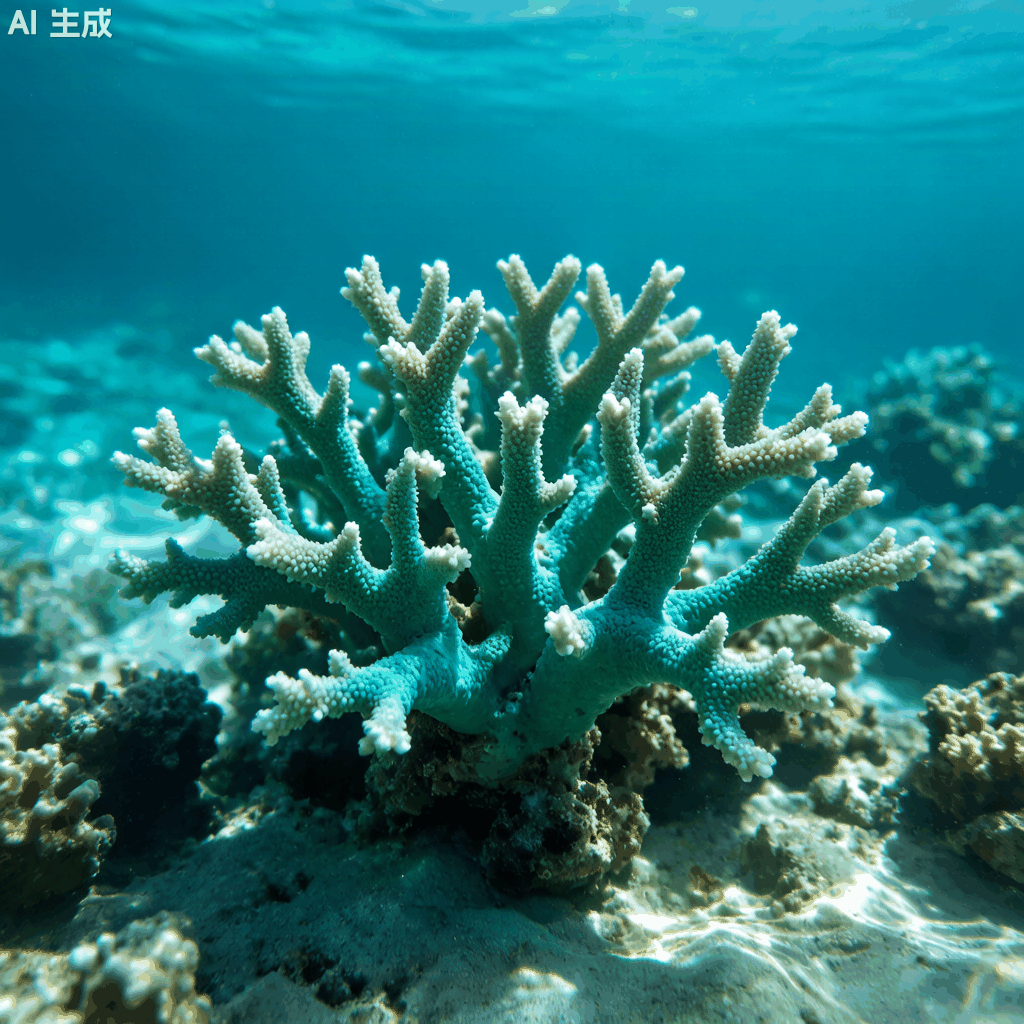
Introduction
Hard corals, scientifically classified under the order Scleractinia, are among the most influential marine invertebrates on the planet. These remarkable organisms are the architects of the world’s great coral reefs — vast underwater structures that support an estimated 25% of all marine species despite covering less than 1% of the ocean floor. Found in warm, sunlit waters across tropical and subtropical oceans, hard corals are sessile animals that spend their entire adult lives anchored to the seafloor, yet they are far from passive inhabitants of the marine world. Each individual coral animal, called a polyp, is a relatively simple creature, but when thousands or millions of polyps cooperate over centuries, they construct reef formations so massive they can be seen from space. Coral reefs are often called the rainforests of the sea due to their extraordinary biodiversity, and hard corals are the foundational engineers that make these ecosystems possible.
The relationship between hard corals and their symbiotic algae, known as zooxanthellae, is one of the most important biological partnerships in the ocean. These microscopic algae live within the tissues of coral polyps and provide them with up to 90% of their energy through photosynthesis. In return, the corals offer the algae a protected environment and the nutrients they need to thrive. This symbiosis is why hard corals are so dependent on clear, shallow, warm water. However, this close partnership also makes corals extremely vulnerable to environmental changes, particularly rising water temperatures. When ocean temperatures rise even slightly above the corals’ normal range, the polyps expel their zooxanthellae in a process called bleaching, which leaves the coral white and vulnerable. Prolonged bleaching can lead to starvation and death.
Taxonomy
Scleractinia, the order of hard or stony corals, belongs to the class Anthozoa within the phylum Cnidaria. Cnidarians are characterized by their radial symmetry, specialized stinging cells called nematocysts, and a simple body plan consisting of two tissue layers. The order Scleractinia encompasses approximately 1,500 known species distributed across all the world’s oceans, from shallow tidal zones to depths exceeding 3,000 meters. Corals within this order are distinguished by their rigid calcium carbonate skeleton, which they secrete to form a protective cup around each polyp.
Hard corals are classified into two broad ecological groups based on their reproductive strategy and the type of reef they form. The first group, hermatypic corals, are the great reef-builders. These corals are zooxanthellate and are exclusively responsible for the formation of tropical coral reefs. The second group, ahermatypic corals, do not harbor zooxanthellae and cannot build large reef structures. These corals are found in deep and cold waters across the globe, often at depths where no sunlight penetrates, where they provide structural habitat for a variety of marine organisms.
Physical Characteristics
Each individual scleractinian coral is a polyp, a small cylindrical animal typically measuring between 1 and 30 millimeters in diameter, though some species can grow considerably larger. The polyp’s body consists of a stomach cavity lined with tentacles that surround a central mouth. These tentacles are armed with nematocysts, which the polyp uses to capture prey and defend itself. The polyp sits atop a cup-shaped calcium carbonate skeleton that it secretes layer by layer over the course of its life. As polyps grow and reproduce asexually, they leave their skeletons behind, gradually building the complex three-dimensional structures recognized as coral colonies.
The physical appearance of hard coral colonies is extraordinarily diverse, ranging from delicate branching structures that resemble deer antlers to massive rounded mounds that can live for hundreds of years. Some species form flat plates that maximize surface area for capturing light, while others grow in intricate brain-like patterns with grooved surfaces. The color of living corals varies widely depending on the species and the presence of symbiotic zooxanthellae. Most shallow-water corals appear in shades of brown, green, or tan, but some species display vivid fluorescent colors in reds, oranges, purples, and blues produced by fluorescent proteins within the coral tissue.
Habitat and Distribution
Hard corals are distributed across all the world’s oceans, but the highest diversity and abundance of reef-building scleractinians are found in the Indo-Pacific region, particularly in an area known as the Coral Triangle, which encompasses Indonesia, the Philippines, Malaysia, Papua New Guinea, the Solomon Islands, and Timor-Leste. This region contains more coral species than anywhere else on Earth and is recognized as the global center of marine biodiversity. The Great Barrier Reef off the coast of Australia, the largest reef system in the world, is built almost entirely by scleractinian corals and stretches over 2,300 kilometers along the northeastern Australian coastline.
Reef-building corals require very specific environmental conditions to thrive. They need water temperatures between approximately 20 and 29 degrees Celsius, high salinity levels, clear water that allows sunlight to penetrate, and a solid substrate to attach to. These requirements restrict tropical reef corals to a narrow band between 30 degrees north and 30 degrees south latitude. However, ahermatypic hard corals extend far beyond these boundaries, thriving in the cold, dark waters of the deep ocean, including the deep-water coral reefs found off the coasts of Norway and in the North Atlantic.
Diet and Behavior
Despite their plant-like appearance, hard corals are carnivorous animals that actively capture prey using their nematocyst-equipped tentacles. Their diet consists primarily of zooplankton, including small crustaceans, larvae, and other microscopic animals, which the polyps capture by extending their tentacles at night when most zooplankton migrate toward the surface. When prey touches a tentacle, the nematocysts fire, immobilizing the prey, and the tentacle transfers the catch to the polyp’s mouth. This feeding supplements the energy corals receive from their zooxanthellae, particularly in corals living at greater depths.
Hard corals are also filter feeders to a limited degree, able to absorb dissolved organic nutrients directly from the surrounding water. The behavior of hard corals is largely determined by their sessile lifestyle, but colonies can grow, expand, and compete for space through a variety of mechanisms. Corals use their nematocysts to sting competing corals and clear space on the substrate through a process known as sweeper tentacle development. Some species also release chemicals that inhibit the growth of nearby competitors, a form of chemical warfare that helps establish territorial dominance on the reef.
Reproduction
Hard corals employ both sexual and asexual reproductive strategies. Asexual reproduction occurs through budding, where a polyp divides to create a genetically identical copy of itself, and through fragmentation, where a piece of a colony breaks off and reattaches to a new substrate to form a new colony. Fragmentation is particularly common in branching coral species and is one of the primary mechanisms by which corals recover from physical damage such as storms.
Sexual reproduction in hard corals is equally fascinating and typically occurs through broadcast spawning, a dramatic annual event in which corals release vast numbers of eggs and sperm simultaneously into the water column. This synchronized release, often triggered by environmental cues such as water temperature, lunar cycles, and sunrise, maximizes the chances of fertilization. The fertilized eggs develop into free-swimming planula larvae that drift in ocean currents for days to weeks before settling on a suitable substrate and metamorphosing into juvenile polyps. Many coral species are hermaphroditic, releasing both eggs and sperm in bundles, while others are gonochoric with separate male and female colonies.
Conservation Status
The conservation status of hard corals is a matter of significant global concern. Ocean warming, driven by climate change, is the most pressing threat, causing coral bleaching events that are increasing in frequency and severity. When sea surface temperatures rise by just 1 to 2 degrees Celsius above the normal summer maximum, corals experience thermal stress that triggers bleaching. If elevated temperatures persist for more than eight weeks, corals are likely to die. Mass bleaching events in recent decades have caused significant mortality across tropical reef systems worldwide.
Beyond thermal stress, hard corals face additional threats including ocean acidification, which reduces the availability of calcium carbonate ions needed to build skeletons; pollution from agricultural runoff, which promotes algal overgrowth that smothers corals; destructive fishing practices; coastal development; and Crown-of-Thorns Starfish outbreaks. Conservation efforts include the establishment of marine protected areas, active coral restoration programs in which scientists grow corals in nurseries and transplant them onto damaged reefs, and international agreements to reduce carbon emissions. Research into heat-resistant coral genotypes and assisted evolution techniques offers some hope for the future.
Fun Facts
Hard corals are among the oldest living organisms on Earth, with some individual coral colonies estimated to be over 2,000 years old. Despite their small individual size, coral polyps are extraordinarily efficient predators. A single polyp’s tentacles can capture zooplankton with remarkable speed, paralyzing prey within milliseconds of contact using one of the fastest cellular mechanisms known in nature. The nematocysts of some coral species can accelerate their barbed threads at accelerations exceeding 5 million times the force of gravity.
The glow-in-the-dark fluorescent colors produced by many coral species have made them subjects of scientific interest in molecular biology and medical research, where fluorescent proteins derived from corals have been adapted as laboratory markers for studying cellular processes. The largest reef structure in the world, the Great Barrier Reef, covers an area larger than the United Kingdom, the Netherlands, and Italy combined, yet it was built entirely by tiny coral polyps working together over millions of years. Some coral species can grow up to 20 centimeters per year, while massive dome-shaped species may add only a few millimeters annually.
[…] on several continents. In its home waters it lives among rocks and weeds, often near the colorful coral and algae that shelter countless small animals. Its reputation as a hitchhiker comes from larvae […]