 By st20113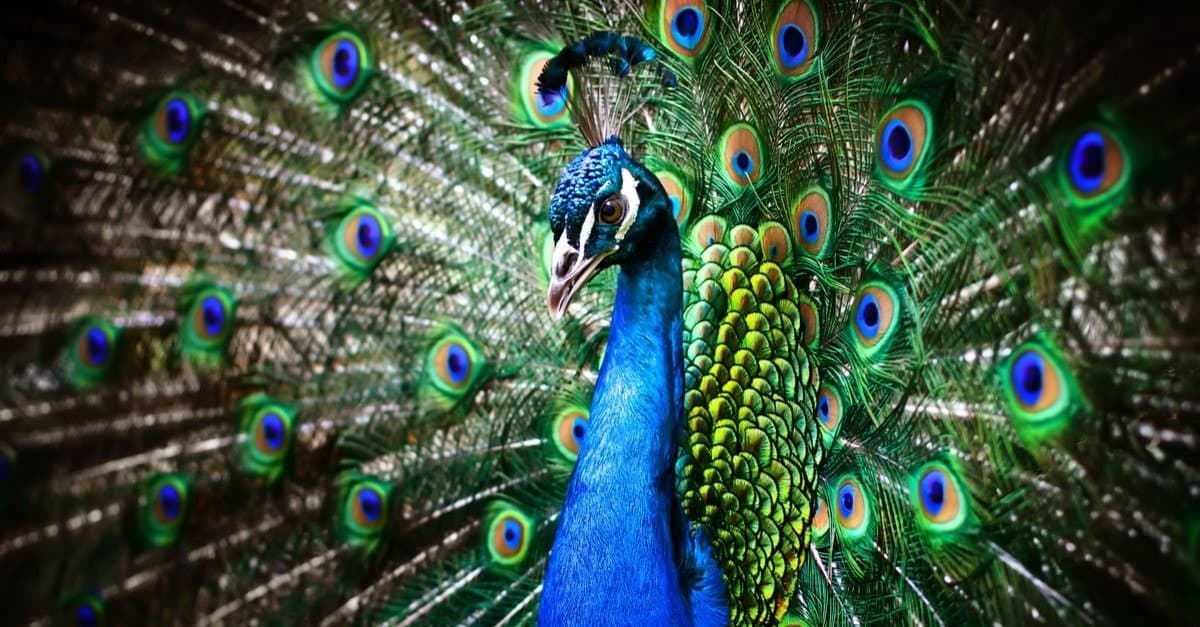
The peacock is the male of the peafowl species, best known for its spectacular iridescent tail feathers that fan out in a dazzling display. Native to South Asia, peafowl have been revered for millennia and introduced worldwide. They play a role in their ecosystem through seed dispersal and insect control.
Physical Characteristics
The Indian peacock (Pavo cristatus) is the most recognizable species. The male’s train, which can reach 2 meters in length, consists of elongated upper tail coverts decorated with colorful eye-spots called ocelli. These feathers shimmer in blues, greens, golds, and bronzes through structural coloration rather than pigment. Females (peahens) are smaller and cryptically colored with brown and gray plumage.
Display and Mating
During breeding season, males perform elaborate displays: shaking their train feathers to produce a rustling sound, fanning them into a massive semicircular fan, and strutting before females. The number of eye-spots correlates with mating success. Females choose males based on the train’s size, symmetry, and iridescence. This is a classic example of sexual selection in action.
Diet and Habitat
Peafowl are omnivorous, feeding on seeds, fruits, insects, small reptiles, and amphibians. They live in forests and open woodlands near water, roosting in tall trees at night. Their loud, distinctive calls serve as territorial and alarm signals. Like many birds, they depend on pollination networks indirectly-the insects they eat often pollinate flowers.
Cultural Significance
The peacock has been a symbol of beauty, royalty, and immortality across many cultures-from Hinduism and Buddhism to Byzantine and Persian art. It is the national bird of India, celebrated for its elegance and majesty.
Conservation
The Indian peafowl is not globally threatened, though the green peafowl (Pavo muticus) is listed as Endangered due to habitat destruction and hunting in Southeast Asia. Conservation efforts focus on protecting the wetland and forest habitats these birds require.