 By st20113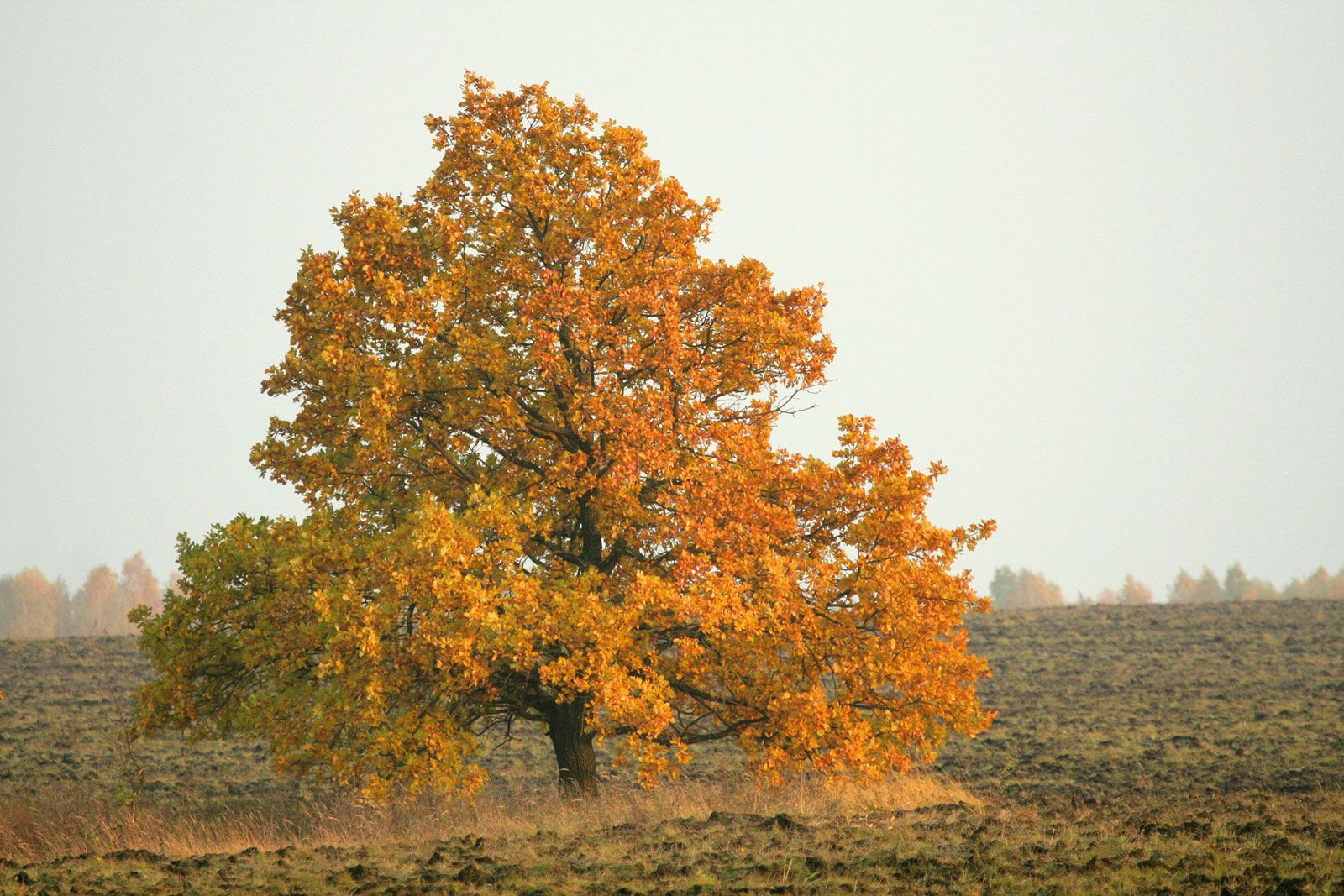
The oak is a genus of trees and shrubs (Quercus) comprising some 500 species, found across the Northern Hemisphere and prized for their strength, longevity, and extraordinary ecological value. From temperate forests to Mediterranean woodlands, oaks anchor their ecosystem and are central to processes such as photosynthesis and forest food webs.
Physical Characteristics
Oaks are typically deciduous or evergreen trees reaching 10-40 meters, with lobed or toothed leaves and deeply furrowed bark. Their wood is dense, hard, and resistant to decay-historically valued for shipbuilding, furniture, and barrels. Oaks can live for several centuries; some individual trees are over 1,000 years old, bearing witness to changing landscapes.
Reproduction and Acorns
Oaks produce acorns, nut-like fruits capped by a scaly cup. Acorns are a crucial food for birds, mammals, and insects, and a single mature tree may drop thousands each autumn. Because oaks take 20-50 years to begin bearing significant crops, they are considered late-successional pillars of stable forests.
Ecological Importance
Few trees support as much life as the oak. A single species can host hundreds of insect species, which in turn feed birds and bats. Oak canopies provide nesting sites, shade, and shelter, while their leaf litter enriches soil. In spring, oak catkins contribute to pollination networks by feeding countless pollinators even before flowers open.
Cultural and Economic Value
Oaks have symbolized strength and endurance in cultures worldwide. Beyond timber, they support truffle fungi, livestock forage, and cork (from the cork oak). Their presence raises overall biodiversity and stabilizes soils and waterways.
Conservation and Threats
Many oak species face threats from habitat loss, invasive pests such as the oak processionary moth and sudden oak death disease, and climate stress. Conservation plantings using diverse, locally adapted species help build resilient forests for the future.
Oaks are keystone trees whose influence radiates through entire landscapes. Protecting and restoring them safeguards some of the richest communities of life on Earth.
[…] edible dormouse inhabits mature deciduous and mixed forests characterised by an abundance of oak, beech, and hornbeam, trees that provide the nuts and seeds on which it depends. The species is […]