 By st20113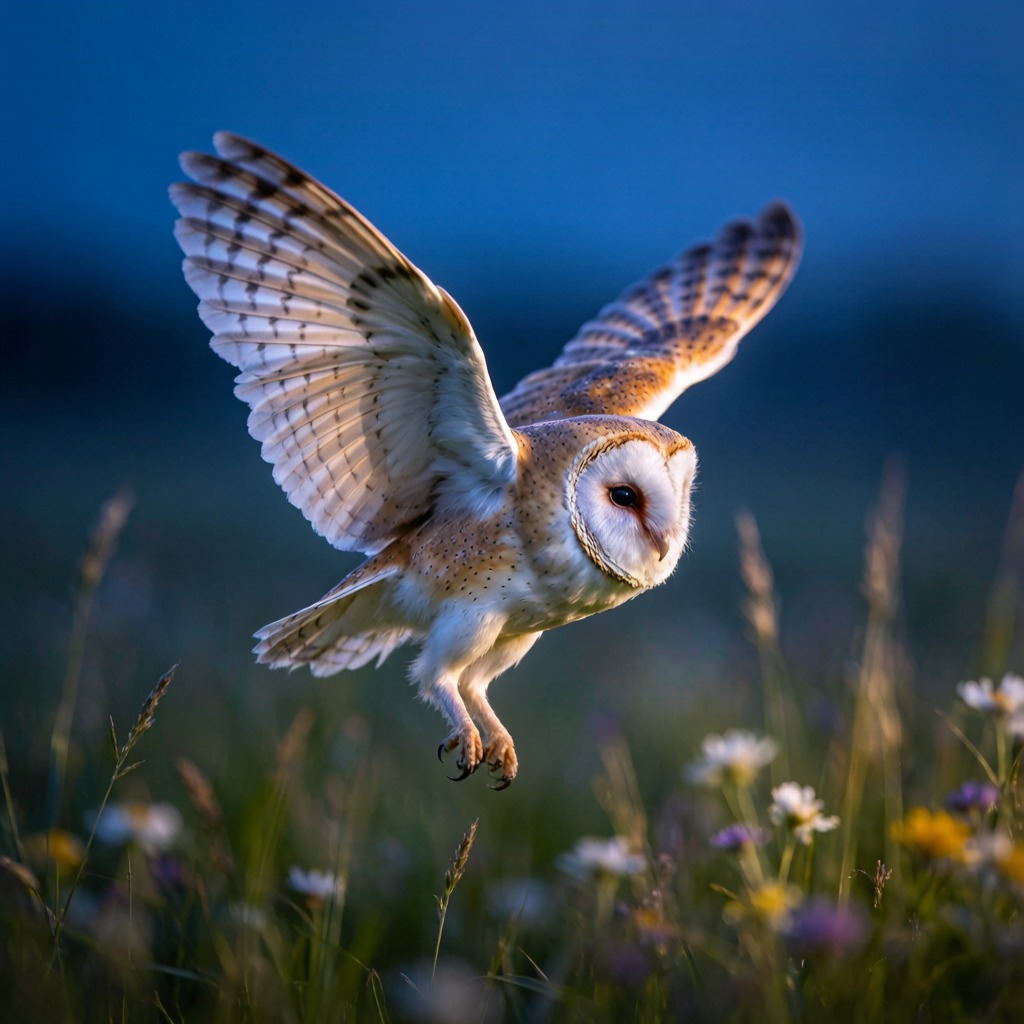
Introduction
The barn owl (Tyto alba) is one of the most widely distributed terrestrial birds, found on every continent except Antarctica. Known for its ghostly white heart-shaped face, dark eyes, and eerie, blood-curdling shriek, the barn owl is one of the most ecologically valuable raptors in agricultural landscapes worldwide. A single barn owl family can consume more than 3,000 rodents per year.
Taxonomy and Classification
The barn owl belongs to the family Tytonidae, a distinct lineage separate from typical owls (family Strigidae). Within the genus Tyto, the barn owl is the most widespread and well-known species. Approximately 16 subspecies are recognized, varying in size and coloration across their global range.
Physical Characteristics
Barn owls are medium-sized owls with a body length of 33 to 39 cm (13 to 15 inches) and a wingspan of 80 to 95 cm (31 to 37 inches). Their most distinctive feature is the white, heart-shaped facial disc that funnels sound to their asymmetrical ears — an extraordinary auditory adaptation. The upper body is typically golden-brown with gray and white speckles, while the underparts range from pure white to buff with small dark spots.
Distribution and Habitat
The barn owl is one of the most cosmopolitan of all bird species, found on every continent except Antarctica. It inhabits open agricultural landscapes, grasslands, marshes, and forest edges. As its common name suggests, the barn owl readily nests in human structures including barns, church steeples, old buildings, and nest boxes.
Hunting and Sensory Adaptations
Barn owls hunt almost exclusively at night, using their exceptional hearing to locate prey in near-total darkness. Their ears are placed asymmetrically on their skull, creating stereo hearing that allows them to pinpoint the exact location of sounds in three-dimensional space. Their primary prey is small rodents, particularly voles and mice.
Conservation Status
The barn owl is listed as a species of Least Concern globally. However, populations in some regions — particularly Britain and parts of Europe — have declined significantly due to changes in farming practices and pesticide-related reductions in prey availability.
eagle. Other birds of prey and nocturnal hunters include the Arctic snowy owl and the widespread barn owl, each occupying a very different niche from these fish-eating
[…] Where hollow trees are scarce, competition for nest sites with other cavity-nesters such as Barn Owls can limit breeding […]