 By st20113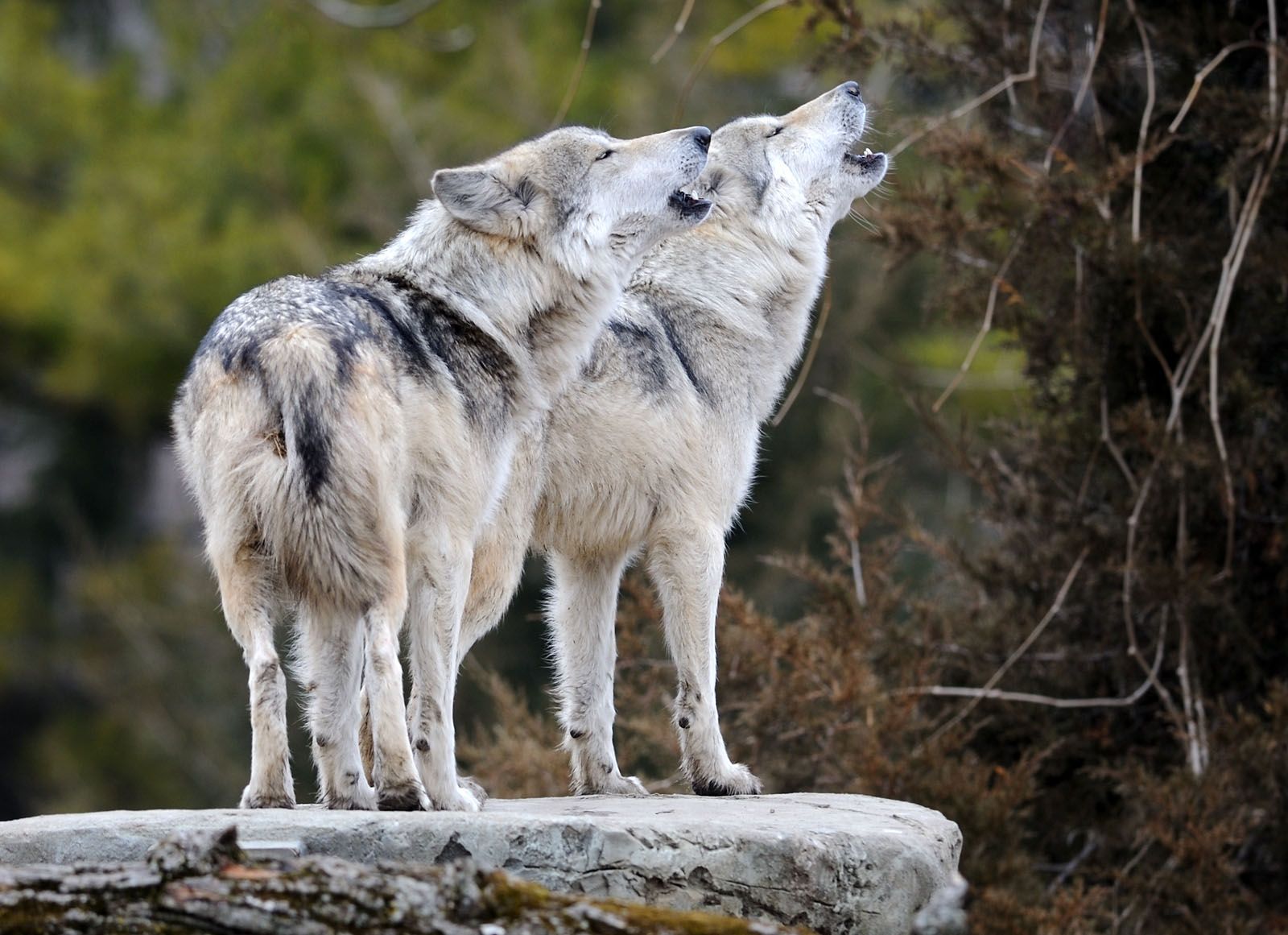
The Arctic Wolf (Canis lupus arctos), also known as the Polar Wolf or White Wolf, is a subspecies of the gray wolf adapted to life in the high Arctic regions of Canada and Greenland. Among the most beautiful and least-studied wolf subspecies, it inhabits one of the harshest environments on Earth and maintains one of the most intact predator-prey ecosystems of any large carnivore.
Physical Characteristics: Smaller and stockier than southern wolf relatives, adults typically weigh 32–80 kg. The predominantly white or cream-colored coat provides perfect camouflage against the Arctic snow. The fur is exceptionally thick and double-layered. The snout is shorter and broader, and ears are smaller—a thermoregulatory adaptation that minimizes heat loss. Paws have thick fur between the toe pads for walking on snow and ice.
Habitat and Distribution: Inhabits the northernmost regions of Canada and Greenland, from the treeline north to the Arctic Ocean, including Ellesmere Island, Banks Island, Victoria Island, and northern Greenland. Temperatures can drop below -50°C in winter. Unlike wolves in more temperate regions, Arctic Wolves have never been extensively hunted and remain one of the few large carnivore populations with minimal human interference across most of their range.
Pack Structure: Live in packs typically numbering 5–10 individuals. The pack is centered on a breeding alpha pair and their offspring. Arctic Wolf packs occasionally include non-breeding adults that help care for younger pups.
Diet: Primary prey includes Arctic hare, muskoxen, and caribou. Due to prey scarcity, they may travel up to 50 km per day. Pack hunts of muskoxen and caribou require coordinated strategy.
Conservation Status: Listed as Least Concern by the IUCN. Climate change poses emerging threats to sea ice patterns and prey availability.
[…] They practice coprophagy, re-ingesting certain feces to extract more nutrients. Polar Bear and Arctic Wolf hunting grounds often overlap with hare feeding areas. They must remain vigilant while […]