 By st20113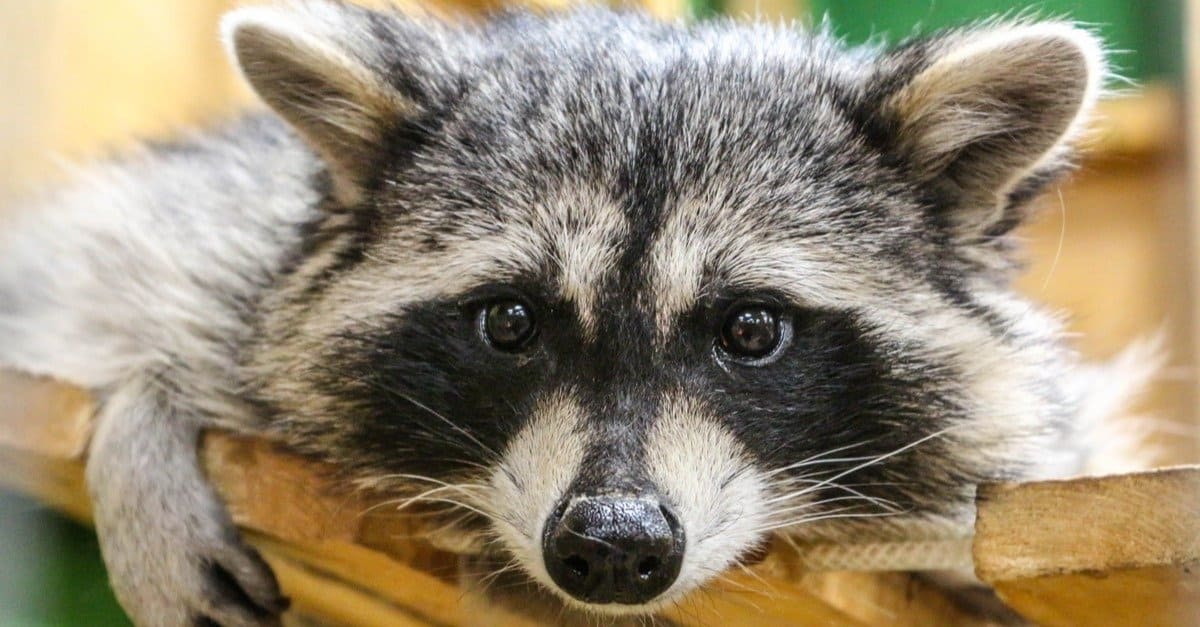
The raccoon (Procyon lotor) is a medium-sized mammal native to North America, easily recognized by its black “mask,” ringed tail, and remarkably nimble front paws. Highly adaptable and intelligent, the raccoon thrives from forests to cities and is a versatile participant in its ecosystem.
Physical Characteristics
Raccoons weigh 5-15 kilograms and have stocky bodies, short legs, and a bushy tail marked with four to six dark rings. Their most distinctive feature is the dark band across the eyes, set against pale fur. Their forepaws are highly sensitive and almost hand-like, able to open jars, unlatch cages, and manipulate food with surprising dexterity.
Diet and Foraging
Raccoons are omnivores with a hugely varied diet: fruits, nuts, insects, eggs, fish, frogs, small mammals, and human food scraps. They often douse food in water before eating-a behavior once thought to “wash” prey but now understood mainly as tactile exploration. This flexibility lets them exploit forests, wetlands, and urban areas alike.
Behavior and Intelligence
Raccoons are mostly nocturnal and solitary except for mothers with young. They are among the most intelligent mammals of their size, solving puzzles and remembering solutions for years. They den in tree hollows, burrows, attics, and storm drains. In colder regions they become less active in winter but do not truly hibernate.
Reproduction
Females raise one litter of two to five kits per year after about two months of gestation. The kits are born blind and helpless, learning to climb within weeks and staying with their mother through their first winter. Family bonds are strong during the dependent period.
Human Interaction and Conservation
Raccoons are common and widespread, even abundant in cities, but they can be agricultural pests and carriers of rabies and distemper. Management balances coexistence with disease control. Their adaptability has made them one of the most successful mammals sharing human landscapes.
Raccoons illustrate how intelligence and flexibility allow wildlife to persist alongside people. Understanding their ecology helps reduce conflict and supports healthier shared environments.
from each eye to the corner of the mouth – a marking pattern convergent with that of the Raccoon. The species possesses semi-retractable claws and a remarkable false thumb, an enlarged radial
[…] English, French, Giant, and Satin Angoras. Each was developed for different characteristics. Raccoon represents their wild cousins adapted to different environments. Their taxonomy illustrates the […]
[…] The species plays a useful role in controlling pest populations. Related mammals such as the raccoon share its woodland and suburban range across much of the […]
[…] family has evolved adaptations for life both in trees and on the ground. Unlike its cousin the raccoon, which is nocturnal and solitary, the coati is unusually social among procyonids, living in groups […]
[…] small, fox-like canid native to East Asia, named for the dark facial mask that makes it resemble a raccoon in appearance. Unlike true raccoons, it is a genuine member of the dog family, but it is unusual […]