 By st20113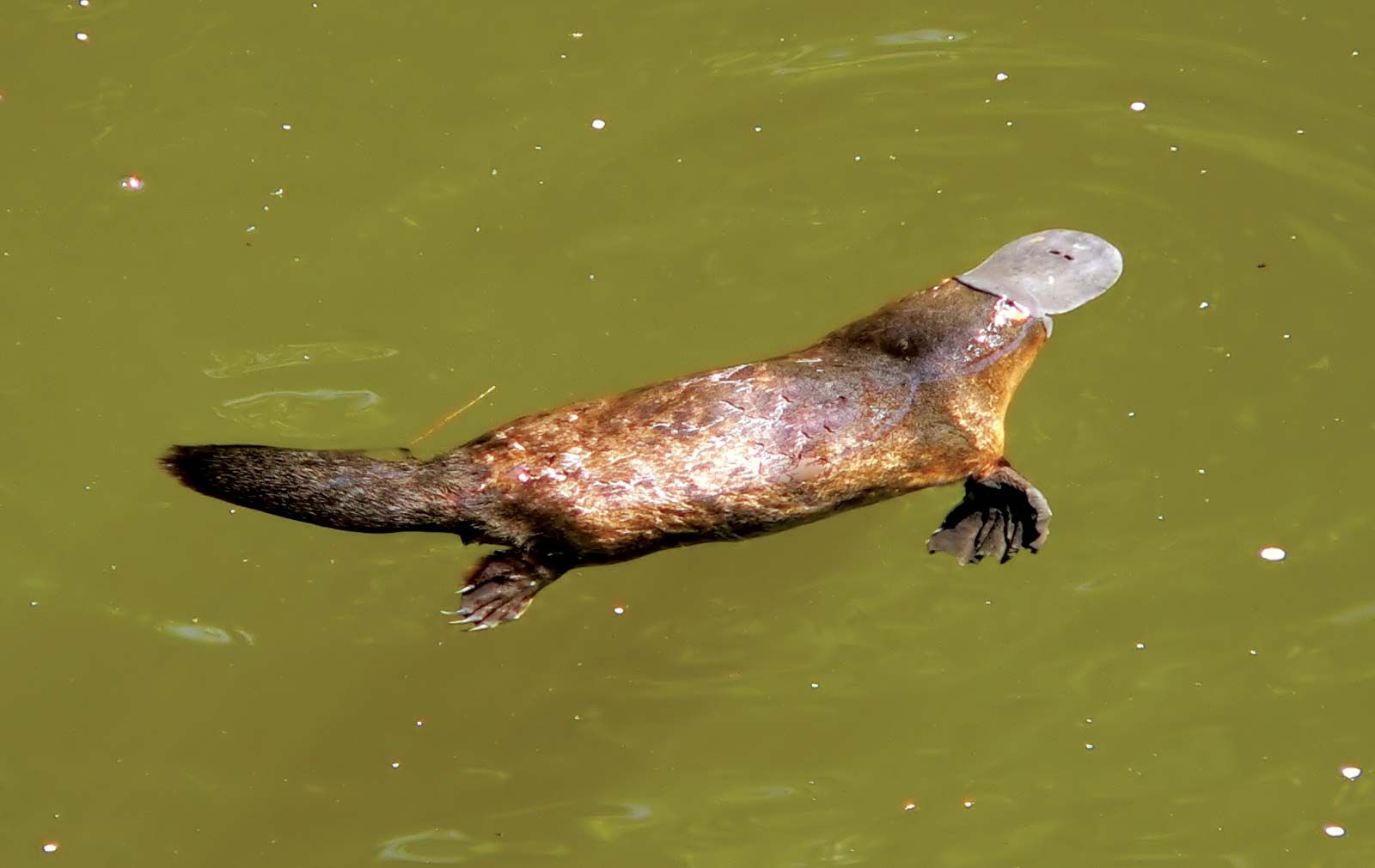
Introduction
The platypus (Ornithorhynchus anatinus) is one of the most extraordinary mammals on Earth, belonging to the monotreme group — the small and ancient order of egg-laying mammals. Endemic to eastern Australia and Tasmania, the platypus is so unusual that when the first specimen was sent to Britain in 1798, scientists initially considered it a hoax. Its duck-like bill, beaver-like tail, and otter-like body represent one of the most remarkable examples of evolutionary convergence in the animal kingdom.
Taxonomy and Classification
The platypus is the sole living representative of the family Ornithorhynchidae and the genus Ornithorhynchus. Along with the four species of echidna, it forms the order Monotremata, which diverged from other mammals approximately 166 million years ago. Monotremes are distinct from marsupials and placental mammals in that they lay eggs rather than giving birth to live young.
Physical Characteristics
The platypus has a streamlined body measuring 40 to 60 cm (16 to 24 inches) in length. Its most distinctive feature is the elongated, sensitive snout that resembles a duck’s bill but is actually a leather-like structure packed with electroreceptors capable of detecting the electric fields generated by the muscle contractions of prey. Adults weigh between 0.7 and 2.4 kg (1.5 to 5.3 lbs).
Distribution and Habitat
Platypuses are found in the freshwater systems of eastern Australia and Tasmania, including rivers, streams, and lakes in temperate to subtropical regions. They require permanent freshwater bodies with stable banks for burrowing and an abundant supply of freshwater invertebrates.
Venom and Defense
One of the platypus’s most remarkable features is that male platypuses possess a venomous spur on each hind foot, capable of delivering painful venom to predators and rivals. This venom is produced seasonally and is one of the few venom delivery systems known in monotremes. The venom is not lethal to humans but causes intense pain and swelling that can last for weeks.
Electroreception and Foraging
The platypus hunts entirely underwater with its eyes, ears, and nose closed, relying entirely on electroreception and mechanoreception. Its bill contains around 40,000 electroreceptors that detect the minute electrical fields produced by the muscle activity of invertebrate prey buried in riverbeds.
Reproduction
As monotremes, platypuses lay eggs rather than giving live birth. Females lay 1 to 3 eggs (typically 2) after a gestation period of approximately 17 days. Newborn platypuses are blind and hairless, feeding on milk secreted from mammary glands. Young emerge from the burrow at approximately 4 months of age.
Conservation Status
The platypus is currently listed as Near Threatened by the IUCN. Major threats include water pollution, dam construction, fishing net entanglement, and prolonged drought associated with climate change.
[…] share much of their range with other iconic Australian fauna including kangaroos, koalas, and the platypus. Emus are comfortable in temperatures ranging from below freezing to over 45 degrees […]