 By st20113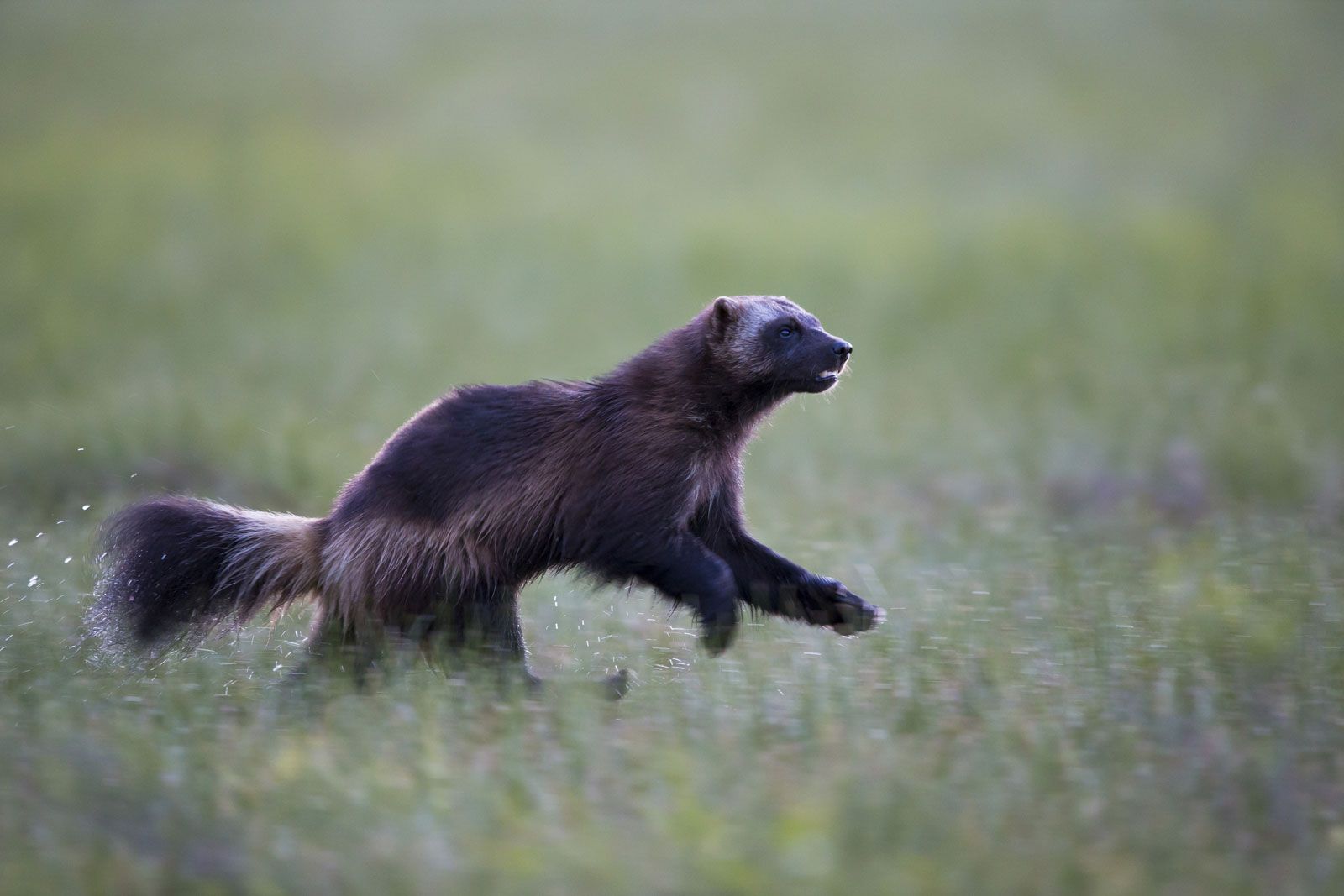
Introduction
The wolverine (Gulo gulo) is the largest terrestrial member of the Mustelidae family, which includes weasels, otters, badgers, and minks. Despite its bear-like appearance and stocky build, the wolverine is a remarkable predator and scavenger known for its extraordinary strength, ferocity, and stamina. Often described as a small bear with a bushy tail, this elusive animal roams the boreal forests and tundra regions of the Northern Hemisphere.
Taxonomy and Classification
The wolverine is the sole living species in the genus Gulo, which means “glutton” in Latin. It belongs to the family Mustelidae, the largest family within the order Carnivora, with approximately 59 species. The wolverine’s scientific name reflects its unique status as the only remaining representative of an ancient lineage within the weasel family.
Physical Characteristics
Wolverines typically measure 65 to 107 cm (26 to 42 inches) in body length, with an additional 17 to 26 cm (7 to 10 inches) of tail. Males weigh between 9 to 25 kg (20 to 55 lbs), while females range from 7 to 14 kg (15 to 31 lbs). Their fur is dark brown to black, with a distinctive pale buff or gold stripe running from the forehead to the shoulders along each side. Their paws are broad and well-adapted for walking on snow.
Distribution and Habitat
Wolverines have the largest home range of any terrestrial member of the Mustelidae family, with individual ranges spanning up to 900 square km. They are found across boreal and subarctic regions of North America, Europe, and Asia. In North America, they range from Alaska and northern Canada south through the Rocky Mountains.
Diet and Foraging Behavior
Wolverines are opportunistic omnivores with a strong preference for meat. Their diet includes small mammals such as rodents and hares, larger prey, birds, eggs, and fish. Famously, wolverines have been documented chasing away wolves and even bears from their kills. They are also known to cache food supplies in snow or under rocks.
Reproduction and Life Cycle
Wolverines are primarily solitary except during the breeding season. Mating occurs between May and August, but females delay implantation of the fertilized egg until the following winter or spring. Litters typically contain 2 to 3 kits, which are born in snow dens during late winter or early spring.
Conservation Status
The wolverine is listed as a species of Least Concern globally, though specific populations face threats in certain regions. In the contiguous United States, wolverine populations are listed as threatened under the Endangered Species Act due to climate change reducing their alpine and tundra habitat.